


Chronic Myeloid Leukemia (CML)
A diagnosis of Chronic Myeloid Leukemia (CML) can be life-changing, but today it is also one of the most successfully managed blood cancers when treated by experienced hematologists. Advances in targeted therapy, molecular diagnostics, and bone marrow transplantation have dramatically improved survival, enabling many patients to achieve long-term remission and lead active, productive lives.
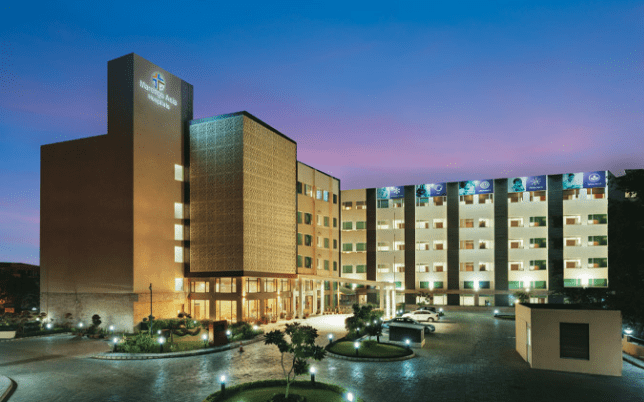

If you are looking for the best Chronic Myeloid Leukemia hospital in India, choosing a center with expertise in clinical hematology, hemato-oncology, and bone marrow transplantation is one of the most important decisions you will make. Effective CML treatment extends beyond prescribing medication—it requires accurate diagnosis, precise molecular monitoring, timely treatment adjustments, and continuous follow-up by specialists dedicated to blood disorders.
At BMT Next, patients receive comprehensive leukemia care from a multidisciplinary team led by Dr. Meet Kumar, one of India’s experienced hematologists with 20+ years of expertise in treating complex blood disorders and blood cancers. The team has successfully performed 1400+ bone marrow transplants, cared for patients from 20+ countries, and follows internationally accepted treatment protocols to deliver personalized, evidence-based care. For eligible patients, funding assistance programs are also available to help reduce the financial burden of advanced treatment.
Whether you are seeking Chronic Myeloid Leukemia treatment in India, a CML specialist in Gurugram, or expert blood cancer treatment in Faridabad, BMT Next combines advanced diagnostics, targeted therapies, transplant expertise, and compassionate long-term care under one roof.
What is Chronic Myeloid Leukemia (CML)?
Chronic Myeloid Leukemia (CML) is a type of blood cancer that develops in the bone marrow, the tissue responsible for producing red blood cells, white blood cells, and platelets. It belongs to a group of diseases known as myeloproliferative neoplasms, in which abnormal bone marrow stem cells produce excessive numbers of white blood cells.
Unlike acute leukemias, CML usually progresses slowly in its early stages. Many patients have no symptoms when the disease is first detected, and an abnormal complete blood count (CBC) performed during a routine health check-up may be the first sign. Without appropriate treatment, however, CML can progress from the chronic phase to the accelerated phase and eventually to the blast phase, where it behaves like an aggressive acute leukemia.
The defining feature of CML is the Philadelphia chromosome, a genetic abnormality created when chromosomes 9 and 22 exchange genetic material. This produces the BCR-ABL1 fusion gene, which generates an abnormal tyrosine kinase protein. This protein continuously signals leukemia cells to grow and divide, leading to the uncontrolled accumulation of abnormal white blood cells.
The discovery of this genetic mutation transformed CML treatment. Modern Tyrosine Kinase Inhibitors (TKIs)—including Dasatinib, Imatinib, Nilotinib, Bosutinib, Ponatinib, and Asciminib—specifically hit the BCR-ABL protein, making CML one of the first blood cancers to benefit from precision medicine. When combined with regular BCR-ABL PCR monitoring, these therapies help many patients achieve excellent disease control and long-term survival.
At BMT Next, every patient diagnosed with CML undergoes a detailed evaluation to determine the disease phase, molecular profile, and treatment goals. This individualized approach allows the team to select the most appropriate targeted therapy while closely monitoring response and identifying patients who may benefit from advanced options such as bone marrow transplantation if resistance or disease progression occurs.
What Causes Chronic Myeloid Leukemia?
Unlike some inherited blood disorders, Chronic Myeloid Leukemia is generally not hereditary and is not passed from parents to their children. The disease develops because of an acquired genetic change in a blood-forming stem cell during a person’s lifetime.
The primary cause of CML is the formation of the Philadelphia chromosome [t(9;22)], which creates the BCR-ABL1 fusion gene. This genetic alteration triggers continuous production of abnormal white blood cells by activating tyrosine kinase signaling pathways.
In most patients, the exact reason why this mutation occurs is unknown. Increasing age is associated with a higher incidence of CML, while exposure to high-dose ionizing radiation has been identified as a recognized risk factor. However, lifestyle factors such as diet, stress, or routine environmental exposures have not been proven to directly cause CML.
Early diagnosis by an experienced hematologist at a Chronic Myeloid Leukemia Hospital or Centre is essential because starting treatment during the chronic phase offers the highest chance of achieving durable molecular remission and preventing progression to advanced disease.
What Causes Chronic Myeloid Leukemia?
One of the unique characteristics of Chronic Myeloid Leukemia (CML) is that many patients experience no symptoms during the early (chronic) phase. The disease often develops slowly, and it is not uncommon for CML to be detected during a routine health check-up when an abnormal Complete Blood Count (CBC) reveals a high white blood cell count.
As the disease progresses, abnormal leukemia cells gradually replace healthy blood-forming cells in the bone marrow. This can lead to a variety of symptoms that should never be ignored.
Common symptoms of Chronic Myeloid Leukemia include:
- Persistent fatigue or weakness
- Unexplained weight loss
- Frequent fever or night sweats
- Enlarged spleen causing fullness or pain in the left upper abdomen
- Easy bruising or unusual bleeding
- Pale skin due to anemia
- Recurrent infections
- Bone or joint pain
- Loss of appetite
- Shortness of breath during routine activities
These symptoms are not specific to CML and may also occur in other blood disorders. However, persistent or unexplained symptoms should always be evaluated by an experienced hematologist.
At BMT Next, patients presenting with suspected leukemia undergo a comprehensive clinical assessment supported by advanced laboratory investigations, enabling early diagnosis and prompt treatment planning.
Who Is at Risk of Developing Chronic Myeloid Leukemia?
Unlike many inherited blood disorders, Chronic Myeloid Leukemia is not caused by lifestyle choices and is generally not inherited. In most cases, the disease develops due to spontaneous genetic changes in blood-forming stem cells.
Although the exact cause remains unknown, certain factors may increase the likelihood of developing CML:
- Increasing age, particularly after 50 years
- Previous exposure to high-dose ionizing radiation
- Rare occupational exposure to significant radiation
It is important to understand that smoking, diet, stress, or routine mobile phone use have not been proven to cause CML.
Because there are no reliable methods to prevent CML, early diagnosis remains the best strategy for improving treatment outcomes.
When Should You Consult a Hematologist?
Many patients initially consult a general physician because of fatigue or abnormal blood reports. However, if leukemia is suspected, early evaluation by a clinical hematologist is essential.
You should consult a hematologist if you have:
- Persistently high white blood cell counts
- Unexplained anemia
- Enlarged spleen
- Persistent fatigue without a clear cause
- Unexplained weight loss
- Night sweats
- Recurrent infections
- Abnormal Complete Blood Count (CBC)
- A previous diagnosis of CML requiring a second opinion
Patients seeking Chronic Myeloid Leukemia treatment in India, Gurugram, or Faridabad benefit from early specialist evaluation because modern targeted therapies are most effective when initiated during the chronic phase of the disease.
How is Chronic Myeloid Leukemia Diagnosed?
Accurate diagnosis is the foundation of successful CML treatment. In addition to confirming the diagnosis, modern investigations determine the disease phase, identify genetic abnormalities, guide treatment selection, and monitor response over time.
At BMT Next, a comprehensive leukemia evaluation combines clinical expertise with advanced molecular diagnostics to develop an individualized treatment plan for every patient.
Diagnostic tests commonly performed include:
Complete Blood Count (CBC)
A CBC is usually the first investigation that raises suspicion of CML. Patients typically have a significantly elevated white blood cell count, while hemoglobin and platelet levels may also be affected.
Peripheral Blood Smear
A blood smear allows hematologists to examine blood cells under a microscope and identify immature white blood cells that are commonly seen in CML.
Bone Marrow Aspiration & Biopsy
A bone marrow biopsy helps confirm the diagnosis, evaluate bone marrow involvement, and determine the disease phase. It also provides valuable information before starting treatment.
Cytogenetic Analysis
Chromosome analysis identifies the Philadelphia chromosome, the hallmark genetic abnormality responsible for most cases of Chronic Myeloid Leukemia.
BCR-ABL1 Molecular Testing (PCR)
Quantitative PCR for BCR-ABL1 is considered the gold standard for diagnosing and monitoring CML. This highly sensitive test measures the amount of leukemia remaining in the body and helps physicians evaluate how well targeted therapy is working.
Regular BCR-ABL PCR monitoring plays a critical role in assessing molecular response, detecting treatment resistance, and guiding future treatment decisions.
Fluorescence In Situ Hybridization (FISH)
FISH testing detects the BCR-ABL gene fusion and is particularly useful when conventional cytogenetic testing is inconclusive.
Using these advanced diagnostic techniques, the hematology team at BMT Next develops a personalized treatment strategy based on the patient’s disease stage, molecular profile, treatment goals, and overall health.
What Are the Stages of Chronic Myeloid Leukemia?
After confirming the diagnosis, CML is classified into three distinct phases:
- Chronic Phase – The earliest and most common stage, where patients respond exceptionally well to targeted therapy.
- Accelerated Phase – The disease becomes more aggressive, requiring closer monitoring and treatment intensification.
- Blast Phase (Blast Crisis) – An advanced stage in which CML behaves like acute leukemia and often requires intensive treatment, including consideration for bone marrow transplantation.
Early diagnosis during the chronic phase provides the best opportunity for achieving a deep molecular response, long-term disease control, and an excellent quality of life.
Treatment for Chronic Myeloid Leukemia (CML)
The treatment of Chronic Myeloid Leukemia (CML) has advanced remarkably over the past two decades. Today, most patients diagnosed during the chronic phase can achieve long-term disease control with modern targeted therapies, regular molecular monitoring, and expert hematology care. The primary goal of treatment is to eliminate leukemia cells, achieve a deep molecular response, prevent disease progression, and help patients maintain a normal quality of life.
At BMT Next, every patient receives a personalized treatment plan based on the disease phase, age, overall health, BCR-ABL mutation status, previous treatment response, and individual clinical needs.
Targeted Therapy (Tyrosine Kinase Inhibitors – TKIs)
Targeted therapy is the standard first-line treatment for most patients with Chronic Myeloid Leukemia. These medicines specifically block the abnormal BCR-ABL tyrosine kinase protein, preventing leukemia cells from multiplying while minimizing damage to healthy blood cells.
Commonly prescribed TKIs include:
- Imatinib
- Dasatinib
- Nilotinib
- Bosutinib
- Ponatinib
- Asciminib
The choice of medication depends on several factors, including the stage of CML, BCR-ABL mutation profile, associated medical conditions, and previous response to treatment. With appropriate therapy and regular follow-up, many patients achieve excellent long-term outcomes and continue their normal daily activities.
Molecular Monitoring & Long-Term Follow-up
Successful CML treatment does not end after starting medication. Regular monitoring is essential to ensure the treatment continues to work effectively.
Patients undergo periodic BCR-ABL1 quantitative PCR testing, which measures the amount of leukemia cells remaining in the body. These results help hematologists evaluate treatment response, detect resistance early, and make timely adjustments when required.
At BMT Next, patients benefit from comprehensive follow-up, including Complete Blood Counts (CBC), bone marrow evaluation when indicated, molecular monitoring, and individualized treatment optimization according to internationally accepted leukemia management guidelines.
When is Bone Marrow Transplant Recommended?
Although targeted therapies have transformed CML treatment, bone marrow transplantation (BMT) continues to play an important role for selected patients.
A transplant may be considered when:
- The disease progresses to the accelerated or blast phase
- CML becomes resistant to multiple Tyrosine Kinase Inhibitors
- High-risk genetic mutations reduce treatment effectiveness
- Young patients with suitable donors require curative treatment after specialist evaluation
As one of India’s leading Bone Marrow Transplant Centres, BMT Next has successfully performed 1400+ bone marrow transplants, including complex allogeneic, haploidentical, and matched unrelated donor (MUD) transplants. Our multidisciplinary transplant team provides comprehensive care before, during, and after transplantation to maximize safety and long-term outcomes.
Why Choose BMT Next for Chronic Myeloid Leukemia Treatment in India?
Choosing the right hospital is one of the most important decisions for patients diagnosed with Chronic Myeloid Leukemia. At BMT Next, we combine clinical expertise, advanced technology, and compassionate care to provide comprehensive leukemia treatment for patients across India and internationally.
Why Patients Trust BMT Next
- 20+ years of expertise in Clinical Hematology, Hemato-Oncology, and Bone Marrow Transplantation.
- 1400+ successful Bone Marrow Transplants, including treatment for complex leukemias and other blood disorders.
- Expert team led by Dr. Meet Kumar, specializing in leukemia, blood cancers, bone marrow failure disorders, and advanced hematology care.
- Advanced molecular diagnostics, including BCR-ABL PCR monitoring, cytogenetics, flow cytometry, FISH, and bone marrow evaluation.
- Internationally accepted treatment protocols supported by evidence-based medicine and personalized care.
- Funding assistance programs for eligible patients, helping improve access to advanced leukemia treatment.
- Trusted by patients from 20+ countries for specialized hematology and bone marrow transplant services.
- Comprehensive multidisciplinary care, including hematologists, transplant physicians, infectious disease specialists, transfusion medicine experts, specialized BMT nurses, nutritionists, physiotherapists, and psychosocial support teams.
At BMT Next, our focus extends beyond treating leukemia. We are committed to helping every patient achieve the best possible long-term outcomes through early diagnosis, personalized treatment, continuous monitoring, and compassionate support throughout their journey.