


Best Diffuse Large B-Cell Lymphoma Hospital in India
Receiving a diagnosis of Diffuse Large B-Cell Lymphoma (DLBCL) can be frightening, but with early diagnosis and expert treatment, this aggressive form of Non-Hodgkin Lymphoma (NHL) is highly treatable and, in many patients, potentially curable. Choosing the Best Diffuse Large B-Cell Lymphoma Hospital in India is one of the most important decisions because successful Diffuse Large B-Cell Lymphoma treatment in India depends on accurate diagnosis, expert hematologists, advanced molecular testing, timely chemotherapy, immunotherapy, and access to Bone Marrow Transplant and CAR-T Cell Therapy when required.
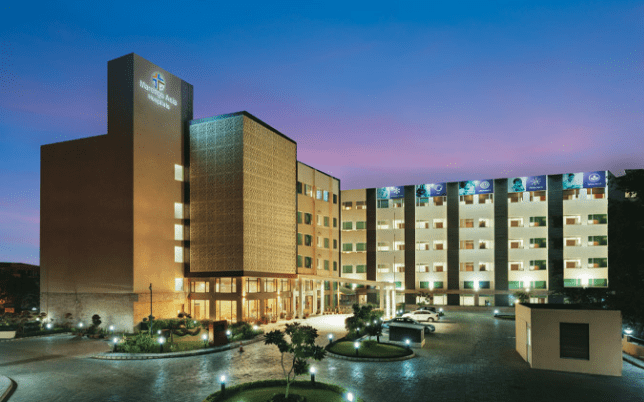

BMT Next at Marengo Asia Hospitals, Gurugram & Faridabad, is committed to providing world-class Diffuse Large B-Cell Lymphoma treatment in India through a dedicated multidisciplinary team of hematologists, hemato-oncologists, bone marrow transplant specialists, radiation oncologists, pathologists, and critical care experts. Under the leadership of Dr. Meet Kumar, our team has 20+ years of hematology expertise and has successfully performed 1400+ Bone Marrow Transplants. Patients from 20+ countries trust BMT Next for advanced blood cancer treatment in India, personalized lymphoma care, precision diagnostics, and internationally accepted treatment protocols. We also provide funding assistance programs for eligible patients, ensuring that advanced lymphoma treatment is accessible to more patients.
Whether you are searching for the Best Diffuse Large B-Cell Lymphoma Hospital in India, Diffuse Large B-Cell Lymphoma treatment in Gurugram, Diffuse Large B-Cell Lymphoma treatment in Faridabad, the best lymphoma specialist in India, or an experienced DLBCL specialist, BMT Next offers comprehensive care under one roof—from diagnosis and staging to chemotherapy, targeted therapy, immunotherapy, CAR-T Cell Therapy, Autologous Stem Cell Transplant, rehabilitation, survivorship care, and long-term follow-up.
What is Diffuse Large B-Cell Lymphoma (DLBCL)?
Diffuse Large B-Cell Lymphoma (DLBCL) is the most common aggressive type of Non-Hodgkin Lymphoma, accounting for nearly one-third of all Non-Hodgkin Lymphoma cases worldwide. Diffuse Large B-Cell Lymphoma develops when abnormal B lymphocytes (B cells) grow rapidly and multiply uncontrollably, forming cancerous masses within the lymphatic system. Unlike slow-growing lymphomas, Diffuse Large B-Cell Lymphoma progresses quickly and usually requires immediate evaluation by a hematologist and prompt Diffuse Large B-Cell Lymphoma treatment.
Although Diffuse Large B-Cell Lymphoma most commonly begins in the lymph nodes, it may also involve the bone marrow, spleen, liver, gastrointestinal tract, brain, skin, lungs, or other organs. This is known as extranodal Diffuse Large B-Cell Lymphoma, and treatment depends on the site involved, stage of disease, and molecular characteristics. Early diagnosis at the Best Diffuse Large B-Cell Lymphoma Hospital in India significantly improves the chances of achieving complete remission.
Modern Diffuse Large B-Cell Lymphoma treatment in India has improved dramatically over the past decade. Standard treatment often includes R-CHOP immunochemotherapy, while selected patients may require Pola-R-CHP, targeted therapy, CAR-T Cell Therapy, Autologous Stem Cell Transplant, or other advanced therapies for relapsed or refractory disease. At a specialized DLBCL hospital in India, treatment is individualized according to the biological behavior of the lymphoma rather than using a single treatment approach for every patient.
DLBCL is not one single disease. Based on molecular and pathological features, Diffuse Large B-Cell Lymphoma is classified into important biological subtypes such as Germinal Center B-cell (GCB) DLBCL and Activated B-cell (ABC) DLBCL. Some patients may have Double-Hit Lymphoma or Triple-Hit Lymphoma, characterized by abnormalities involving MYC, BCL2, and BCL6 genes. These aggressive variants require expert management at a specialized Diffuse Large B-Cell Lymphoma Hospital in India with access to advanced molecular diagnostics and experienced lymphoma specialists.
At BMT Next, every patient diagnosed with Diffuse Large B-Cell Lymphoma undergoes comprehensive evaluation using lymph node biopsy, Immunohistochemistry (IHC), Flow Cytometry, PET-CT scan, Bone Marrow Biopsy, FISH testing, and advanced molecular pathology whenever indicated. These investigations help our hematologists accurately diagnose Diffuse Large B-Cell Lymphoma, determine the Lugano stage, identify high-risk molecular abnormalities, and develop a personalized Diffuse Large B-Cell Lymphoma treatment plan based on the latest NCCN, ESMO, and WHO Classification recommendations.
What Causes Diffuse Large B-Cell Lymphoma?
The exact cause of Diffuse Large B-Cell Lymphoma remains unknown. Most cases develop because of acquired genetic mutations within B lymphocytes that allow abnormal cells to multiply uncontrollably and avoid normal immune regulation. Unlike some inherited blood disorders, Diffuse Large B-Cell Lymphoma is not usually hereditary, and most patients have no family history of lymphoma.
Several factors may increase the risk of developing Diffuse Large B-Cell Lymphoma, including increasing age, immune deficiency, autoimmune diseases, previous organ transplantation, chronic viral infections such as Epstein-Barr Virus (EBV) or HIV, and certain rare genetic abnormalities. However, many patients diagnosed with Diffuse Large B-Cell Lymphoma have no identifiable risk factors, making awareness, early diagnosis, and consultation with an experienced DLBCL specialist essential for achieving the best treatment outcomes.
Symptoms of Diffuse Large B-Cell Lymphoma (DLBCL)
The symptoms of Diffuse Large B-Cell Lymphoma (DLBCL) often develop rapidly because it is an aggressive form of Non-Hodgkin Lymphoma. Unlike slow-growing lymphomas, Diffuse Large B-Cell Lymphoma can progress within weeks or months, making early diagnosis and timely Diffuse Large B-Cell Lymphoma treatment in India extremely important. Patients experiencing persistent swollen lymph nodes or unexplained constitutional symptoms should consult a DLBCL specialist or an experienced hematologist without delay.
The most common symptom of Diffuse Large B-Cell Lymphoma is a rapidly enlarging, painless lymph node, usually in the neck, armpit, or groin. However, because Diffuse Large B-Cell Lymphoma can arise outside the lymph nodes (extranodal DLBCL), symptoms vary depending on the organ involved.
Common Symptoms of Diffuse Large B-Cell Lymphoma
Patients with Diffuse Large B-Cell Lymphoma may experience:
- Rapidly enlarging painless lymph nodes
- Persistent swelling in the neck, underarm, or groin
- Fever without infection
- Drenching night sweats
- Unexplained weight loss
- Persistent fatigue and weakness
- Loss of appetite
- Persistent cough or chest discomfort
- Shortness of breath
- Abdominal pain or abdominal swelling
- Early fullness after meals due to enlarged spleen
- Persistent back pain
- Bone pain if bone marrow is involved
- Headache or neurological symptoms when the central nervous system is affected
Doctors often refer to fever, night sweats, and unexplained weight loss as B symptoms, which are important for staging Diffuse Large B-Cell Lymphoma and determining prognosis. Patients with Diffuse Large B-Cell Lymphoma who develop B symptoms generally require urgent evaluation and prompt treatment.
Because Diffuse Large B-Cell Lymphoma is an aggressive blood cancer, delaying diagnosis may allow the disease to spread to multiple lymph node regions or extranodal organs. Seeking care at the Best Diffuse Large B-Cell Lymphoma Hospital in India enables rapid diagnosis, accurate staging, and timely initiation of evidence-based treatment.
Risk Factors for Diffuse Large B-Cell Lymphoma
Although the exact cause of Diffuse Large B-Cell Lymphoma remains unknown, several factors increase the risk of developing this aggressive B-cell lymphoma.
These include:
- Age above 60 years
- Male gender
- Weakened immune system
- HIV infection
- Epstein-Barr Virus (EBV)
- Organ transplantation
- Autoimmune diseases
- Chronic immunosuppressive therapy
- Previous lymphoma
- Certain rare inherited immune disorders
Most patients diagnosed with Diffuse Large B-Cell Lymphoma have no identifiable risk factors, which is why awareness of symptoms and prompt consultation with a lymphoma specialist remain extremely important.
When Should You Consult a DLBCL Specialist?
Because Diffuse Large B-Cell Lymphoma grows rapidly, patients should never ignore persistent swollen lymph nodes or constitutional symptoms.
Consult an experienced Diffuse Large B-Cell Lymphoma specialist immediately if you develop:
- Enlarged lymph nodes lasting more than two weeks
- Rapidly increasing lymph node size
- Fever without infection
- Night sweats
- Unexplained weight loss
- Persistent fatigue
- Persistent abdominal swelling
- Chest pain or breathing difficulty
- Abnormal CBC
- Recurrent infections
Patients looking for Diffuse Large B-Cell Lymphoma treatment in Gurugram, Diffuse Large B-Cell Lymphoma treatment in Faridabad, or the Best Diffuse Large B-Cell Lymphoma Hospital in India should seek evaluation from a dedicated hematologist because early treatment offers the highest chance of cure.
Diagnosis of Diffuse Large B-Cell Lymphoma (DLBCL)
An accurate diagnosis is the foundation of successful Diffuse Large B-Cell Lymphoma treatment. At BMT Next, every patient undergoes a comprehensive evaluation using advanced pathology, imaging, molecular diagnostics, and staging investigations to develop an individualized treatment plan.
Lymph Node Biopsy
A complete excisional lymph node biopsy is the preferred investigation for confirming Diffuse Large B-Cell Lymphoma. It provides enough tissue for accurate pathological diagnosis and molecular testing.
Immunohistochemistry (IHC)
Immunohistochemistry (IHC) confirms the diagnosis of Diffuse Large B-Cell Lymphoma by identifying markers such as CD20, CD19, CD79a, BCL2, BCL6, MUM1, CD10, MYC, and Ki-67. These markers help classify lymphoma subtypes and guide treatment decisions.
Flow Cytometry
Flow Cytometry evaluates abnormal B-cell populations and helps differentiate Diffuse Large B-Cell Lymphoma from other B-cell lymphomas and hematological malignancies.
PET-CT Scan
A PET-CT scan is the gold standard imaging investigation for staging Diffuse Large B-Cell Lymphoma, assessing disease burden, monitoring treatment response, and confirming complete remission after therapy.
Bone Marrow Biopsy
A Bone Marrow Biopsy determines whether Diffuse Large B-Cell Lymphoma has spread to the bone marrow, which influences staging and treatment planning.
FISH & Molecular Testing
Advanced molecular testing identifies high-risk abnormalities including MYC, BCL2, and BCL6 rearrangements, helping diagnose Double-Hit Lymphoma and Triple-Hit Lymphoma. These aggressive subtypes often require more intensive treatment than standard DLBCL treatment.
Staging of Diffuse Large B-Cell Lymphoma
Following diagnosis, Diffuse Large B-Cell Lymphoma is staged using the internationally accepted Lugano Classification, which is based on the Ann Arbor staging system.
Stages include:
- Stage I – Lymphoma confined to one lymph node region or one extranodal site.
- Stage II – Two or more lymph node regions on the same side of the diaphragm.
- Stage III – Lymph node involvement on both sides of the diaphragm.
- Stage IV – Spread to organs such as the bone marrow, liver, lungs, or central nervous system.
In addition to stage, our specialists evaluate International Prognostic Index (IPI) score, LDH level, performance status, MYC, BCL2, BCL6, age, extranodal involvement, and molecular subtype before recommending the most appropriate Diffuse Large B-Cell Lymphoma treatment in India, ensuring every patient receives personalized care according to NCCN, ESMO, and WHO recommendations.
Treatment for Diffuse Large B-Cell Lymphoma (DLBCL)
Choosing the right Diffuse Large B-Cell Lymphoma treatment in India is the most important factor influencing cure rates and long-term survival. As an aggressive form of Non-Hodgkin Lymphoma, Diffuse Large B-Cell Lymphoma (DLBCL) requires prompt treatment by an experienced hematologist at the Best Diffuse Large B-Cell Lymphoma Hospital in India. Modern Diffuse Large B-Cell Lymphoma treatment combines advanced diagnostics, immunochemotherapy, targeted therapy, CAR-T Cell Therapy, and Bone Marrow Transplant for selected patients. At BMT Next, every patient receives a personalized Diffuse Large B-Cell Lymphoma treatment plan based on the Lugano stage, International Prognostic Index (IPI), MYC, BCL2, BCL6 status, age, overall health, and the latest NCCN, ESMO, and WHO recommendations.
Immunochemotherapy (R-CHOP)
For most patients with newly diagnosed Diffuse Large B-Cell Lymphoma, R-CHOP remains the internationally accepted standard treatment. This regimen combines Rituximab, Cyclophosphamide, Doxorubicin, Vincristine, and Prednisolone to destroy lymphoma cells while preserving healthy tissues. Many patients treated with R-CHOP at a specialized Diffuse Large B-Cell Lymphoma Hospital in India achieve complete remission and long-term disease control.
Pola-R-CHP & Targeted Therapy
Patients with selected high-risk disease may benefit from Pola-R-CHP, which incorporates Polatuzumab Vedotin into frontline therapy. Depending on the molecular profile of the lymphoma, targeted therapy may also be recommended for relapsed or refractory Diffuse Large B-Cell Lymphoma. Precision medicine allows treatment to be tailored according to the biology of the lymphoma rather than following a one-size-fits-all approach.
Immunotherapy
Modern Diffuse Large B-Cell Lymphoma treatment in India includes immunotherapy, particularly anti-CD20 monoclonal antibodies such as Rituximab, which specifically target lymphoma cells while improving treatment outcomes. Immunotherapy has significantly increased survival rates for patients with aggressive B-cell lymphoma and remains an essential component of standard DLBCL treatment.
CAR-T Cell Therapy
Patients with relapsed or refractory Diffuse Large B-Cell Lymphoma who do not respond adequately to conventional treatment may be candidates for CAR-T Cell Therapy. This advanced cellular immunotherapy modifies the patient’s own T-cells to recognize and destroy lymphoma cells. At BMT Next, eligible patients are evaluated for CAR-T Cell Therapy according to international guidelines and individual disease characteristics.
Bone Marrow Transplant
Autologous Stem Cell Transplant (Bone Marrow Transplant) plays an important role in selected patients with relapsed Diffuse Large B-Cell Lymphoma or lymphoma that returns after initial treatment. As one of the leading centers for Bone Marrow Transplant in India, BMT Next has successfully performed 1400+ Bone Marrow Transplants, providing advanced transplant care for patients with lymphoma, leukemia, multiple myeloma, aplastic anemia, and other blood disorders.
Radiation Therapy & Supportive Care
Radiation therapy may be recommended for localized disease, bulky lymphoma, or selected residual lesions after chemotherapy. Throughout Diffuse Large B-Cell Lymphoma treatment, our multidisciplinary team also provides infection prevention, nutritional support, pain management, blood component therapy, rehabilitation, psychological counselling, and survivorship care to help patients recover safely and maintain the best possible quality of life.
Why Choose BMT Next for Diffuse Large B-Cell Lymphoma Treatment?
Choosing the Best Diffuse Large B-Cell Lymphoma Hospital in India means choosing a center with extensive experience in treating aggressive Non-Hodgkin Lymphoma, access to advanced diagnostics, multidisciplinary expertise, and comprehensive supportive care. At BMT Next, we combine 20+ years of hematology expertise with internationally accepted treatment protocols to deliver personalized Diffuse Large B-Cell Lymphoma treatment in India for every patient.
Our dedicated lymphoma team, led by Dr. Meet Kumar, works closely with Dr. Neeraj Teotia, Dr. Paras Satadeve, and Dr. Umesh Yadav to provide evidence-based care for patients diagnosed with Diffuse Large B-Cell Lymphoma, Non-Hodgkin Lymphoma, leukemia, multiple myeloma, and other complex blood cancers. Every patient benefits from multidisciplinary tumor board discussions, ensuring that treatment decisions are individualized according to disease biology, molecular findings, and patient-specific needs.
Patients looking for Diffuse Large B-Cell Lymphoma treatment in Gurugram, Diffuse Large B-Cell Lymphoma treatment in Faridabad, or the Best Diffuse Large B-Cell Lymphoma Hospital in India choose BMT Next because of our commitment to clinical excellence, compassionate care, and advanced technology. We offer comprehensive diagnostics including PET-CT, Flow Cytometry, Immunohistochemistry, FISH testing, and molecular pathology, allowing precise diagnosis and personalized treatment planning.
With 1400+ successful Bone Marrow Transplants, patients from 20+ countries, internationally trained specialists, advanced transplant facilities, and funding assistance programs for eligible patients, BMT Next has become a trusted destination for Diffuse Large B-Cell Lymphoma treatment in India. From the first consultation through diagnosis, chemotherapy, immunotherapy, CAR-T Cell Therapy, Bone Marrow Transplant, and long-term survivorship, our focus remains on delivering the highest standards of blood cancer treatment in India while maximizing cure rates, improving quality of life, and providing continuous support to patients and their families.