


Chronic Lymphocytic Leukemia
Finding the best Chronic Lymphocytic Leukemia hospital in India is one of the most important decisions after a diagnosis of this slow-growing blood cancer. Although Chronic Lymphocytic Leukemia (CLL) often progresses gradually, early evaluation by an experienced hematologist and timely access to advanced treatment can significantly improve long-term outcomes and quality of life. Modern advances in CLL treatment, including targeted therapy, immunotherapy, precision diagnostics, and bone marrow transplantation for selected patients, have transformed the way this disease is managed.
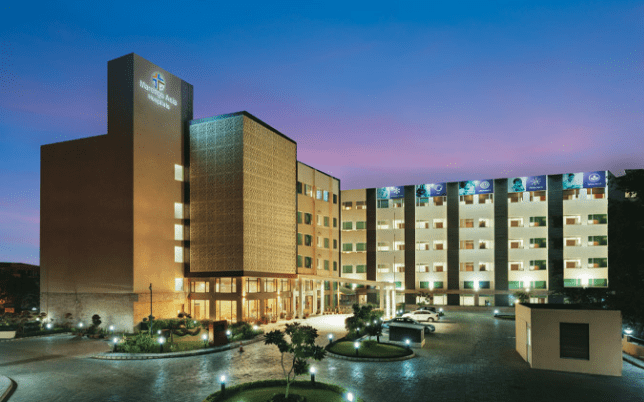

At BMT Next, we provide comprehensive Chronic Lymphocytic Leukemia treatment in India through a dedicated team of hematologists, hemato-oncologists, and bone marrow transplant specialists. Led by Dr. Meet Kumar, our team has 20+ years of experience in managing leukemia, lymphoma, multiple myeloma, and other complex blood disorders. With 1400+ successful Bone Marrow Transplants, advanced molecular diagnostics, internationally accepted treatment protocols, and patients from 20+ countries, BMT Next at Marengo Asia Hospitals, Gurugram & Fraidabad has established itself as a trusted blood cancer hospital in India. We also offer funding assistance programs for eligible patients, helping improve access to specialized leukemia treatment.
Patients searching for Chronic Lymphocytic Leukemia treatment in Gurugram, Chronic Lymphocytic Leukemia treatment in Faridabad, or the best CLL specialist in India receive personalized care based on their disease stage, genetic profile, age, overall health, and treatment goals. Every patient is evaluated individually because CLL behaves differently in every person and requires a customized treatment approach rather than a one-size-fits-all strategy.
What is Chronic Lymphocytic Leukemia (CLL)?
Chronic Lymphocytic Leukemia (CLL) is a slow-growing blood cancer that affects B lymphocytes, a type of white blood cell responsible for protecting the body against infections. It develops in the bone marrow, where abnormal lymphocytes are produced and gradually accumulate in the blood, lymph nodes, spleen, and sometimes the liver. Over time, these leukemia cells interfere with the normal production of healthy blood cells, increasing the risk of infections, anemia, low platelet counts, and enlarged lymph nodes.
CLL is one of the most common forms of adult leukemia and is increasingly diagnosed in India because of improved awareness and access to advanced diagnostic testing. Unlike acute leukemia, not every patient with Chronic Lymphocytic Leukemia requires immediate treatment. Many individuals diagnosed with early-stage CLL remain stable for years and are managed safely through active surveillance (watch and wait) under the guidance of an experienced CLL specialist. Treatment is recommended only when there is evidence of disease progression, troublesome symptoms, or significant changes in blood counts, in accordance with internationally accepted iwCLL and NCCN guidelines.
The management of CLL has evolved significantly over the past decade. Traditional chemotherapy has largely been replaced by targeted therapies such as Bruton’s Tyrosine Kinase (BTK) inhibitors, BCL-2 inhibitors, and anti-CD20 monoclonal antibodies, which specifically target leukemia cells while minimizing damage to healthy tissues. These advances have enabled many patients to achieve durable disease control with fewer side effects and improved quality of life.
At BMT Next, every patient undergoes a comprehensive diagnostic work-up that may include Complete Blood Count (CBC), Flow Cytometry (Immunophenotyping), FISH testing, TP53 mutation analysis, IGHV mutation testing, and Bone Marrow Aspiration & Biopsy, when clinically indicated. These advanced investigations help our hematologists determine the biological behavior of the disease, identify high-risk genetic abnormalities such as del(17p) or TP53 mutations, and select the most appropriate Chronic Lymphocytic Leukemia treatment based on international standards of care. BMT Next at Marengo Asia Hospitals is considered the best Chronic Lymphocytic Leukemia Hospital in India.
What Causes Chronic Lymphocytic Leukemia?
The exact cause of Chronic Lymphocytic Leukemia is still not fully understood. Unlike inherited blood disorders such as thalassemia or sickle cell disease, CLL is not usually inherited and is rarely passed from parents to children. The disease develops due to acquired genetic changes in mature B lymphocytes, causing them to survive longer than normal and multiply uncontrollably.
Several molecular abnormalities, including TP53 mutation, IGHV mutation status, deletion 17p, deletion 11q, trisomy 12, and deletion 13q, influence disease progression and treatment selection. These biomarkers have become an essential part of modern CLL treatment in India, allowing hematologists to personalize therapy and predict response to targeted drugs. Increasing age remains the strongest risk factor, while current scientific evidence does not support stress, diet, or routine lifestyle habits as direct causes of CLL.
Symptoms of Chronic Lymphocytic Leukemia (CLL)
One of the distinguishing features of Chronic Lymphocytic Leukemia (CLL) is that many patients have no symptoms during the early stages of the disease. In fact, nearly half of all patients are diagnosed after a routine Complete Blood Count (CBC) reveals an increased lymphocyte count. Because CLL often progresses slowly, patients may remain stable for several years without requiring immediate treatment. However, regular monitoring by an experienced CLL specialist is essential to identify disease progression at the right time.
As the disease advances, abnormal lymphocytes gradually accumulate in the bone marrow, blood, lymph nodes, spleen, and occasionally the liver. This affects normal blood cell production and weakens the immune system, increasing the risk of infections, anemia, bleeding problems, and enlarged lymph nodes. Patients should visit our centre, which is considered the best Chronic Lymphocytic Leukemia Hospital In India for advanced diagnosis and care.
Common Symptoms of Chronic Lymphocytic Leukemia
Patients with Chronic Lymphocytic Leukemia may experience:
- Persistent fatigue or unusual weakness
- Swollen lymph nodes in the neck, underarms, or groin
- Frequent or recurrent infections
- Fever without an obvious infection
- Night sweats
- Unexplained weight loss
- Enlarged spleen causing fullness or pain in the left upper abdomen
- Enlarged liver
- Easy bruising or prolonged bleeding
- Shortness of breath due to anemia
- Loss of appetite
- Reduced exercise tolerance
Some patients may also develop complications such as Autoimmune Hemolytic Anemia (AIHA) or Immune Thrombocytopenia (ITP), where the body’s immune system attacks healthy blood cells. Early recognition and treatment of these complications can significantly improve outcomes.
If you experience persistent swollen lymph nodes, unexplained fatigue, abnormal blood counts, or recurrent infections, it is important to consult a hematologist without delay. Early diagnosis offers the best opportunity for timely monitoring and personalized Chronic Lymphocytic Leukemia treatment in India.
Risk Factors for Chronic Lymphocytic Leukemia
Although the exact cause of CLL remains unknown, researchers have identified several factors that increase the likelihood of developing the disease.
These include:
- Age above 60 years
- Male gender
- Family history of CLL or other lymphoid cancers
- Certain inherited genetic predispositions
- Previous exposure to some environmental chemicals (association remains under investigation)
Importantly, current medical evidence has not established smoking, stress, diet, or routine lifestyle habits as direct causes of Chronic Lymphocytic Leukemia.
Because CLL often develops silently, regular health check-ups and prompt evaluation of abnormal blood reports are essential, particularly in older adults.
When Should You Consult a CLL Specialist?
Many patients initially visit a physician because of fatigue or an abnormal blood report. However, once Chronic Lymphocytic Leukemia is suspected, evaluation by a clinical hematologist is essential to confirm the diagnosis and determine the most appropriate treatment strategy.
You should consult a Chronic Lymphocytic Leukemia specialist if you have:
- Persistent lymphocytosis on a CBC
- Enlarged lymph nodes lasting more than two weeks
- Recurrent infections
- Persistent fatigue
- Night sweats or unexplained fever
- Unintentional weight loss
- Enlarged spleen
- Low hemoglobin or platelet counts
- A previous diagnosis of CLL requiring a second opinion
Patients seeking Chronic Lymphocytic Leukemia treatment in Gurugram, Chronic Lymphocytic Leukemia treatment in Faridabad, or anywhere in India benefit from early consultation because treatment decisions are based on the disease stage, genetic profile, symptoms, and overall health—not simply on the white blood cell count.
Diagnosis of Chronic Lymphocytic Leukemia (CLL)
Accurate diagnosis is the foundation of successful Chronic Lymphocytic Leukemia treatment. Modern CLL management combines clinical assessment with advanced laboratory investigations, flow cytometry, cytogenetic analysis, and molecular testing to understand the biology of the disease and guide personalized treatment decisions.
At BMT Next, patients undergo a comprehensive leukemia evaluation using advanced diagnostics that meet international standards of care.
Complete Blood Count (CBC)
A Complete Blood Count is often the first investigation that raises suspicion of CLL by identifying persistent lymphocytosis. It also evaluates hemoglobin and platelet levels to detect anemia or thrombocytopenia.
Peripheral Blood Smear
Microscopic examination of blood cells helps identify the characteristic mature lymphocytes and smudge cells, which are commonly associated with Chronic Lymphocytic Leukemia.
Flow Cytometry (Immunophenotyping)
Flow Cytometry is considered the gold standard for confirming CLL. It identifies the characteristic surface markers on abnormal B lymphocytes and differentiates CLL from other chronic lymphoproliferative disorders.
FISH & Molecular Genetic Testing
Modern CLL treatment in India relies on advanced molecular diagnostics. FISH (Fluorescence In Situ Hybridization) detects important chromosomal abnormalities such as del(17p), del(11q), trisomy 12, and del(13q), while TP53 and IGHV mutation testing help predict prognosis and select the most effective targeted therapy.
Bone Marrow Aspiration & Biopsy
Although not routinely required for every patient, a bone marrow aspiration and biopsy may be recommended in selected cases to assess bone marrow involvement, investigate unexplained low blood counts, or evaluate response to treatment.
Staging of Chronic Lymphocytic Leukemia
After confirming the diagnosis, CLL is staged to determine disease extent, predict prognosis, and guide treatment planning.
The two internationally accepted staging systems include:
- Rai Staging System – Commonly used in India and North America to classify patients into low-, intermediate-, and high-risk disease.
- Binet Staging System – Widely used internationally and based on the number of enlarged lymph node regions and blood counts.
At BMT Next, staging is combined with TP53 mutation analysis, IGHV mutation status, FISH testing, clinical findings, and patient-specific factors to create a personalized treatment plan aligned with NCCN and iwCLL recommendations.