

HLA Test क्या है? बोन मैरो ट्रांसप्लांट में सही डोनर कौन बन सकता है?
HLA Test (Human Leukocyte Antigen Test) Bone Marrow Transplant और Stem Cell Transplant की planning में एक महत्वपूर्ण जांच है। जब किसी मरीज को Bone Marrow Transplant (BMT) की आवश्यकता होती है, तो डॉक्टर यह पता लगाते हैं कि परिवार या donor registry में कौन-सा व्यक्ति मरीज के लिए सबसे उपयुक्त stem cell donor हो सकता है। इसी प्रक्रिया में HLA Typing और HLA Matching महत्वपूर्ण भूमिका निभाते हैं।
यदि आप सोच रहे हैं कि Bone Marrow Transplant में donor कौन बन सकता है, क्या भाई या बहन donor बन सकते हैं, क्या माता-पिता donor हो सकते हैं या परिवार में match न मिलने पर क्या विकल्प हैं—तो HLA matching को समझना जरूरी है।
HLA Matching for Bone Marrow Transplant केवल एक सामान्य blood test नहीं है। यह patient और potential donor के immune-system markers की तुलना करने की प्रक्रिया है, जिससे transplant team donor compatibility का आकलन कर सकती है।
HLA क्या है?
HLA (Human Leukocyte Antigen) शरीर की कोशिकाओं की सतह पर मौजूद proteins के समूह हैं। ये immune system को यह पहचानने में मदद करते हैं कि शरीर में मौजूद cells अपने हैं या बाहरी।
सरल भाषा में, HLA को शरीर की एक तरह की biological पहचान प्रणाली समझ सकते हैं।
Bone Marrow Transplant में donor की stem cells मरीज के शरीर में जाने के बाद immune system की compatibility महत्वपूर्ण हो जाती है। इसलिए HLA Matching transplant planning का एक महत्वपूर्ण हिस्सा है।
हालांकि, HLA match होना transplant की सफलता का अकेला निर्धारक नहीं है। बीमारी का प्रकार, मरीज की उम्र, disease status, organ function, donor की suitability और transplant centre का protocol भी महत्वपूर्ण होते हैं।
HLA Test क्या होता है?
HLA Test या HLA Typing एक laboratory test है, जिससे patient और potential donor के HLA markers की पहचान की जाती है।
Bone Marrow Transplant के लिए जब donor की तलाश शुरू होती है, तो सबसे पहले patient का HLA profile निर्धारित किया जाता है। इसके बाद संभावित donors के HLA profile की तुलना patient से की जाती है।
इस प्रक्रिया को HLA Matching कहा जाता है।
HLA testing आमतौर पर blood sample या कुछ परिस्थितियों में अन्य validated sample से किया जा सकता है। Laboratory में genetic markers का विश्लेषण करके patient और donor की compatibility का assessment किया जाता है।
Bone Marrow Transplant में HLA Matching क्यों जरूरी है?
HLA Matching for Bone Marrow Transplant का मुख्य उद्देश्य ऐसा donor ढूंढना है जिसकी immune compatibility patient के लिए उपयुक्त हो।
Allogeneic Stem Cell Transplant में stem cells किसी दूसरे व्यक्ति से लिए जाते हैं। इसलिए donor और patient के immune characteristics के बीच compatibility महत्वपूर्ण होती है।
HLA compatibility transplant के बाद होने वाली कुछ immune-related complications के risk को प्रभावित कर सकती है, जिसमें Graft-versus-Host Disease (GVHD) भी शामिल है।
लेकिन इसका अर्थ यह नहीं है कि केवल पूर्णतः identical donor होने पर ही transplant संभव है। आधुनिक transplant programs में selected patients के लिए matched sibling, matched unrelated और haploidentical/half-matched donors सहित अलग-अलग donor approaches उपलब्ध हो सकती हैं।
Donor का चुनाव हमेशा patient की disease और clinical circumstances के अनुसार transplant team करती है।
HLA Matching कैसे होती है?
HLA matching में patient और donor के HLA markers की तुलना की जाती है। कई HLA loci transplant compatibility assessment में महत्वपूर्ण होते हैं।
सरल भाषा में:
Patient HLA Typing → Potential Donor HLA Typing → Comparison → Donor Compatibility Assessment
परिवार में संभावित donors की testing के बाद transplant team यह देखती है कि किस donor की HLA compatibility सबसे उपयुक्त है।
इसलिए HLA Match कितने प्रतिशत होना चाहिए का एक ही जवाब सभी patients के लिए लागू नहीं होता। अलग-अलग transplant situations में donor selection criteria अलग हो सकते हैं।
Bone Marrow Transplant में Donor कौन बन सकता है?
जब किसी मरीज को Bone Marrow Transplant की आवश्यकता होती है, तो donor की तलाश अक्सर परिवार से शुरू की जाती है।
संभावित donor में शामिल हो सकते हैं:
- भाई या बहन
- माता या पिता
- अन्य परिवार के सदस्य
- HLA-matched unrelated donor
- Haploidentical या half-matched donor
- कुछ situations में donor registry से उपलब्ध व्यक्ति
लेकिन केवल रिश्तेदार होना पर्याप्त नहीं है। Donor की HLA compatibility, उम्र, overall health, medical suitability और transplant requirements का भी मूल्यांकन किया जाता है।
क्या भाई या बहन Bone Marrow Donor बन सकते हैं?
हाँ। Matched Sibling Donor कई allogeneic Bone Marrow Transplants में एक महत्वपूर्ण donor option हो सकता है।
भाई या बहन के HLA genes में समानता की संभावना परिवार के अन्य लोगों की तुलना में अधिक हो सकती है। लेकिन हर भाई या बहन automatically suitable donor नहीं होता।
पहले patient और sibling का HLA Typing किया जाता है। यदि appropriate compatibility मिलती है, तो donor की medical fitness की भी जांच की जाती है।
इसलिए केवल “भाई match है” कहना पर्याप्त नहीं है। अंतिम donor selection transplant team के comprehensive assessment के बाद होता है।
क्या माता-पिता Bone Marrow Donor बन सकते हैं?
हाँ, माता-पिता संभावित donor हो सकते हैं। माता-पिता से मिलने वाला HLA profile अक्सर बच्चे के HLA profile का एक हिस्सा साझा करता है।
यदि पूर्ण match उपलब्ध न हो, तो Haploidentical Transplant एक महत्वपूर्ण option हो सकता है। Haploidentical donor वह donor होता है जो patient के साथ लगभग half HLA match साझा करता है।
आज के आधुनिक transplant techniques और supportive care के कारण selected patients में haploidentical transplantation का उपयोग किया जा सकता है।
हालांकि, donor choice disease, patient age, urgency, previous treatments और transplant centre की expertise के आधार पर तय की जाती है।
अगर परिवार में HLA Match नहीं मिले तो क्या होगा?
यह मान लेना सही नहीं है कि family में full HLA match नहीं मिलने पर Bone Marrow Transplant संभव नहीं है।
यदि Matched Sibling Donor उपलब्ध नहीं है, तो transplant team अन्य donor options की तलाश कर सकती है।
इनमें:
Matched Unrelated Donor
कुछ patients में donor registries के माध्यम से HLA-compatible unrelated donor खोजा जा सकता है।
Haploidentical Donor
किसी parent, child या अन्य family member से half-matched donor option selected patients में इस्तेमाल किया जा सकता है।
इसलिए Bone Marrow Transplant Donor Search केवल भाई-बहन तक सीमित नहीं है।
HLA Match और Donor Fitness में क्या अंतर है?
यह एक बहुत महत्वपूर्ण बात है।
किसी व्यक्ति का HLA match होना यह साबित नहीं करता कि वह donor बनने के लिए medically fit भी है।
HLA matching के बाद potential donor की health assessment की जाती है। इसमें medical history, physical examination और आवश्यक laboratory investigations शामिल हो सकती हैं।
Transplant team यह सुनिश्चित करती है कि donor के लिए stem cell donation सुरक्षित हो और donor की health को अनावश्यक risk न हो।
इसलिए HLA Compatible Donor और Medically Suitable Donor दो अलग-अलग concepts हैं।
HLA Matching के प्रकार और Bone Marrow Transplant में Donor Selection
HLA Match कितने प्रकार का होता है?
HLA Matching में patient और donor के HLA markers की तुलना की जाती है। Transplant के लिए कितनी compatibility उपयुक्त है, यह disease, donor type और transplant protocol पर निर्भर करता है।
10/10 HLA Match क्या होता है?
कुछ transplant settings में 10/10 HLA Match शब्द का इस्तेमाल किया जाता है। इसका अर्थ है कि transplant के लिए महत्वपूर्ण निर्धारित HLA markers पर patient और donor के बीच full compatibility पाई गई है।
लेकिन 10/10 match का अर्थ यह नहीं है कि transplant का outcome निश्चित रूप से सफल होगा। Patient की बीमारी, उम्र, disease status, donor health और कई अन्य clinical factors भी महत्वपूर्ण होते हैं।
इसी तरह, कम HLA compatibility का अर्थ यह भी नहीं है कि transplant हमेशा असंभव है। आधुनिक transplant approaches में selected patients के लिए alternative donor options उपलब्ध हैं।
Haploidentical या Half-Matched Donor क्या होता है?
Haploidentical Donor ऐसा donor होता है जो patient के साथ लगभग 50% HLA characteristics share करता है।
परिवार में माता-पिता, बच्चे या कुछ अन्य relatives संभावित haploidentical donors हो सकते हैं।
यदि Matched Sibling Donor उपलब्ध नहीं है, तो selected patients में Haploidentical Bone Marrow Transplant पर विचार किया जा सकता है। आधुनिक GVHD prevention और transplant protocols ने ऐसे donor options को कई clinical situations में उपयोगी बनाया है।
हालांकि, कौन-सा donor सबसे उपयुक्त है, इसका निर्णय केवल HLA percentage के आधार पर नहीं किया जाता।
Matched Unrelated Donor क्या होता है?
यदि परिवार में suitable donor नहीं मिलता, तो Unrelated Donor Registry के माध्यम से compatible donor खोजा जा सकता है।
ऐसे donor patient के रिश्तेदार नहीं होते, लेकिन उनके HLA markers patient से पर्याप्त रूप से compatible हो सकते हैं।
Matched Unrelated Donor (MUD) transplant का उपयोग कई hematological diseases में किया जाता है। Donor search में समय लग सकता है और donor availability हर patient में अलग होती है।
इसीलिए जब किसी patient को transplant की आवश्यकता होने की संभावना हो, तो HLA Typing और Donor Search को समय पर शुरू करना महत्वपूर्ण हो सकता है।
Bone Marrow Transplant के लिए Donor की कौन-कौन सी जांच होती है?
HLA match मिलने के बाद भी donor को सीधे stem cell donation के लिए तैयार नहीं किया जाता। पहले उसकी Donor Medical Fitness का assessment किया जाता है।
आवश्यकता के अनुसार इसमें शामिल हो सकते हैं:
- Detailed medical history
- Physical examination
- CBC और routine blood tests
- Blood group
- Infection screening
- Kidney और liver function
- अन्य आवश्यक investigations
- Donor-specific medical assessment
इसका उद्देश्य यह सुनिश्चित करना है कि donor के लिए stem cell donation सुरक्षित हो।
HLA Compatible Donor होना पहला महत्वपूर्ण चरण है; Medically Fit Donor होना भी उतना ही आवश्यक है।
Stem Cell Donation कैसे होता है?
बहुत से लोग सोचते हैं कि Bone Marrow Donation का मतलब हमेशा हड्डी से marrow निकालना होता है। वास्तव में stem cells अलग-अलग तरीकों से collect किए जा सकते हैं।
Peripheral Blood Stem Cell Collection
कई transplants में donor को कुछ दिनों तक ऐसी medicine दी जाती है जिससे blood-forming stem cells bloodstream में अधिक संख्या में आ जाएं।
इसके बाद Apheresis Machine के माध्यम से blood से stem cells collect किए जाते हैं। बाकी blood components donor को वापस दे दिए जाते हैं।
Bone Marrow Collection
कुछ transplant situations में stem cells सीधे Bone Marrow से collect किए जा सकते हैं। यह procedure specialized medical setting में किया जाता है।
किस method का उपयोग होगा, यह donor, patient की disease और transplant protocol पर निर्भर करता है।
क्या Bone Marrow Donation सुरक्षित है?
Healthy donor के लिए donation से पहले detailed medical evaluation किया जाता है। Donation method के अनुसार donor को कुछ समय के लिए fatigue, body aches या अन्य temporary symptoms हो सकते हैं।
Bone marrow collection के बाद कुछ समय तक soreness या discomfort हो सकता है। अधिकांश donors medical supervision और follow-up के साथ recover करते हैं।
Donor की safety transplant process का एक महत्वपूर्ण हिस्सा है। इसलिए Bone Marrow Donor Selection केवल HLA matching तक सीमित नहीं होना चाहिए।
क्या Blood Group का HLA Matching से संबंध है?
यह एक common misconception है कि Bone Marrow Transplant में donor और patient का blood group बिल्कुल समान होना जरूरी है।
HLA matching और Blood Group matching अलग-अलग concepts हैं। Allogeneic stem cell transplant में donor selection के लिए HLA compatibility अत्यंत महत्वपूर्ण होती है, जबकि blood group compatibility को transplant team अलग clinical factor के रूप में manage करती है।
इसलिए केवल blood group अलग होने की वजह से किसी potential donor को automatically unsuitable नहीं माना जाता।
Bone Marrow Transplant में Donor Selection कैसे किया जाता है?
BMT Donor Selection एक multi-factor decision होता है।
Transplant team सामान्यतः देखती है:
- Patient की disease और transplant indication
- HLA compatibility
- Donor availability
- Donor की medical fitness
- Donor age और अन्य relevant characteristics
- Urgency of transplant
- Donor-specific risks
- Transplant centre के protocol
इसलिए “कौन donor बनेगा?” का जवाब हर patient के लिए अलग हो सकता है।
एक patient के लिए matched sibling सबसे अच्छा option हो सकता है, जबकि दूसरे patient में matched unrelated या haploidentical donor अधिक appropriate हो सकता है।
HLA Test कब करवाना चाहिए?
यदि किसी मरीज में ऐसी बीमारी है जिसमें Allogeneic Bone Marrow Transplant की संभावना हो सकती है, तो transplant specialist द्वारा HLA typing और family donor evaluation की सलाह दी जा सकती है।
ऐसी diseases में शामिल हो सकती हैं:
- Acute Myeloid Leukemia (AML)
- Acute Lymphoblastic Leukemia (ALL)
- Aplastic Anemia
- Myelodysplastic Syndromes (MDS)
- Thalassemia
- Sickle Cell Disease
- कुछ अन्य Bone Marrow Failure और Hematological Disorders
हर मरीज को HLA testing या transplant की आवश्यकता नहीं होती। इसका निर्णय treating Hematologist/Transplant Specialist करता है।
BMT Next में HLA Matching और Donor Evaluation
BMT Next at Marengo Asia Hospitals, Gurugram & Faridabad में Bone Marrow Transplant की planning के दौरान HLA Typing, Donor Evaluation और Transplant Fitness Assessment को treatment pathway का महत्वपूर्ण हिस्सा माना जाता है।
यदि patient के परिवार में संभावित donor उपलब्ध है, तो appropriate family members की HLA compatibility का assessment किया जा सकता है। यदि matched sibling donor उपलब्ध नहीं है, तो patient की clinical स्थिति के अनुसार alternative donor approaches पर भी transplant team विचार कर सकती है।
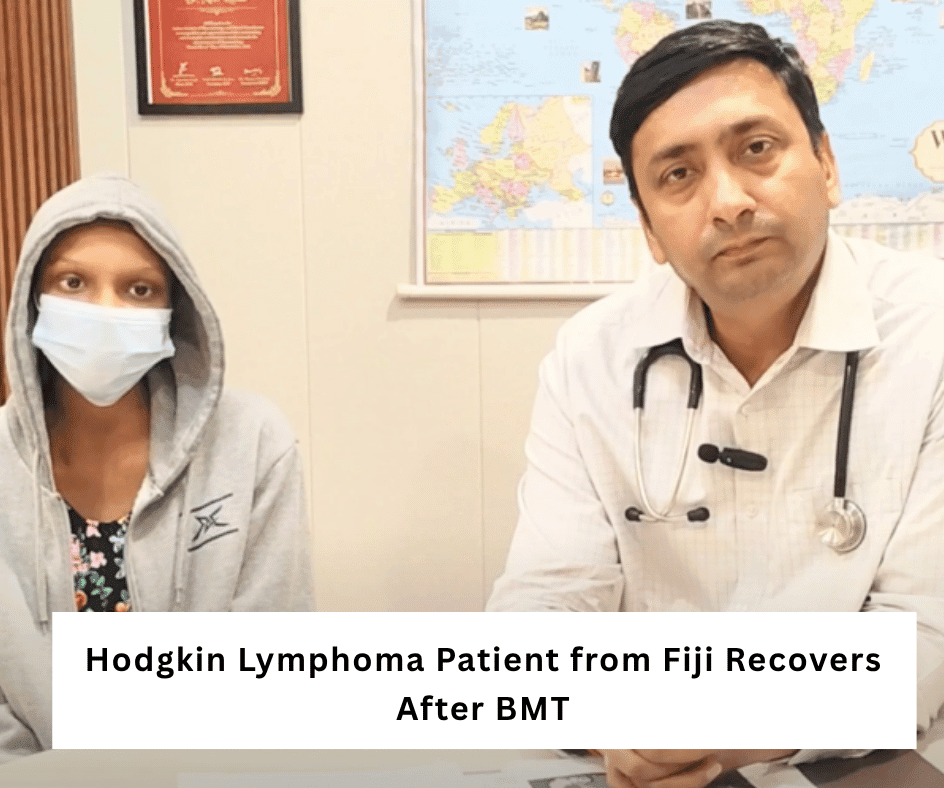
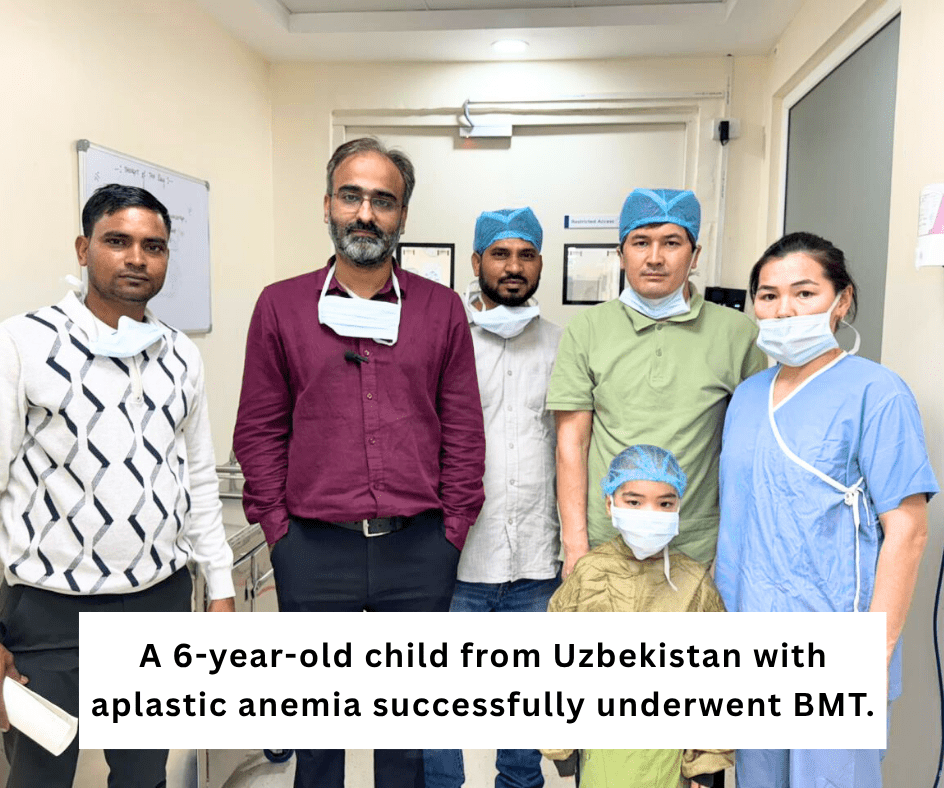
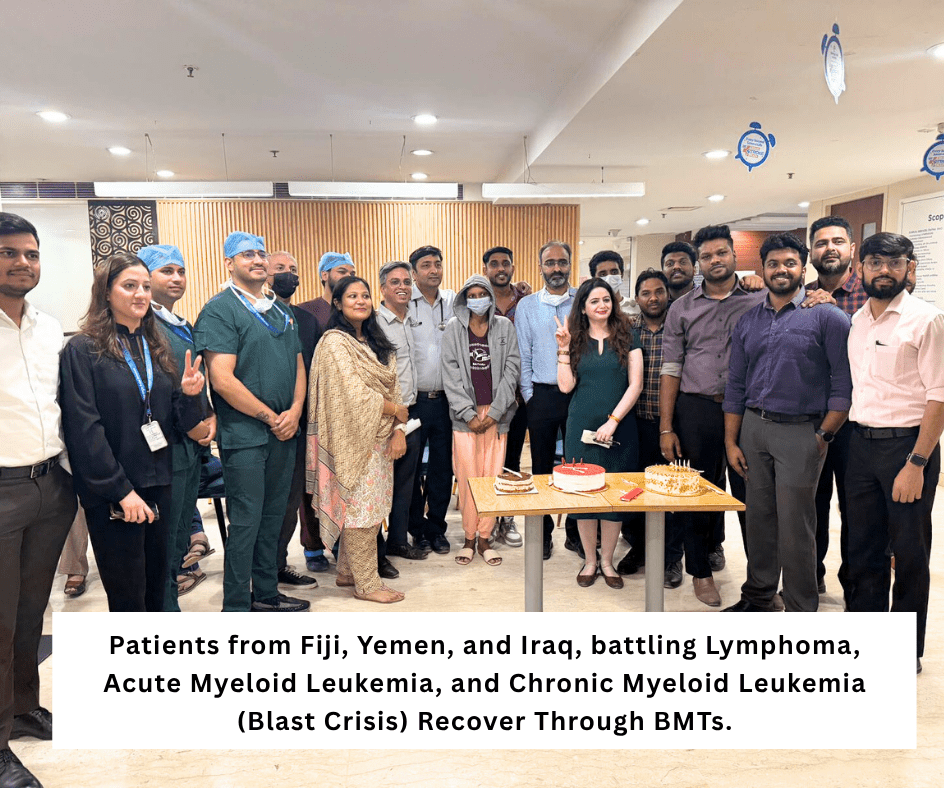
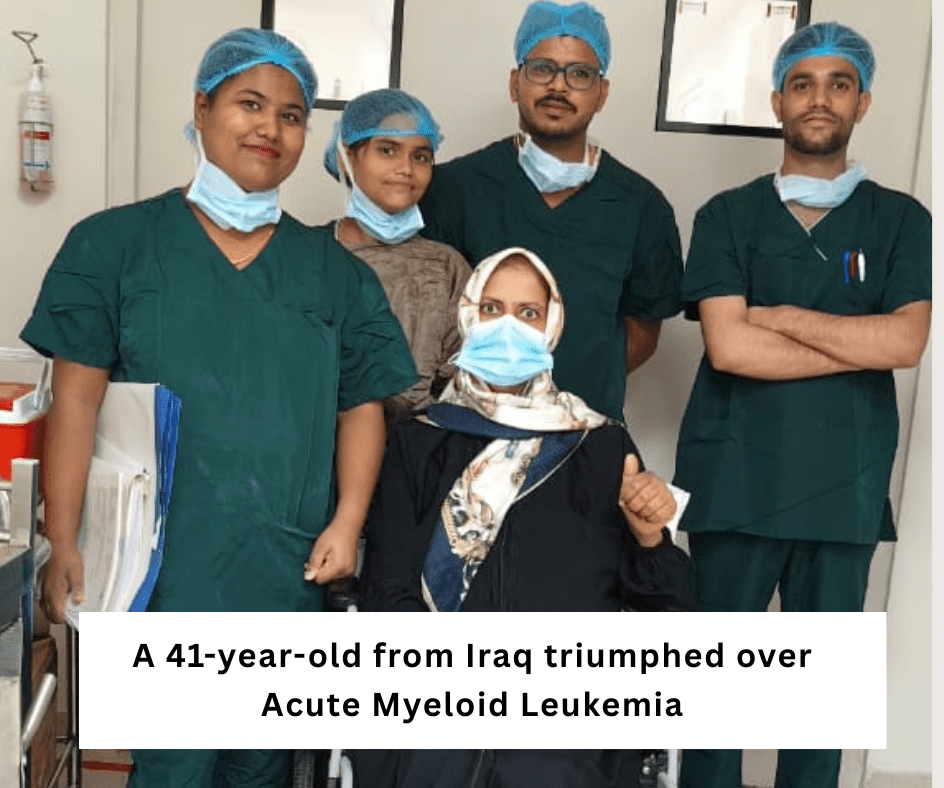
BMT Next के Bone Marrow Transplant program में 1400+ Bone Marrow Transplants का अनुभव है और treatment program ने 20+ देशों के patients को serve किया है।
सबसे महत्वपूर्ण बात यह है कि donor selection केवल “full match” खोजने तक सीमित नहीं है। Patient की बीमारी और overall clinical situation को देखते हुए matched sibling, unrelated या haploidentical donor options में से उचित विकल्प का चयन किया जाता है।
Bone Marrow Transplant in India: Donor न मिले तो क्या करें?
यदि परिवार में HLA-matched donor नहीं मिलता, तो transplant की संभावना अपने आप समाप्त नहीं हो जाती।
Patient की बीमारी और urgency के अनुसार transplant team:
Family Donor → Matched Unrelated Donor → Haploidentical Donor
जैसे विकल्पों का assessment कर सकती है।
इसलिए Bone Marrow Transplant in India के लिए centre चुनते समय यह देखना महत्वपूर्ण है कि वहां केवल transplant procedure ही नहीं, बल्कि HLA Matching, Donor Search, Alternative Donor Transplant और Post-Transplant Care की विशेषज्ञता भी उपलब्ध हो।


HLA Matching in Gurgaon for BMT
यदि आप Bone Marrow Transplant in Gurugram, HLA Matching in Gurugram या Bone Marrow Transplant Hospital in Gurugram खोज रहे हैं, तो BMT Next at Marengo Asia Hospitals, Gurugram में transplant evaluation और donor assessment की सुविधा उपलब्ध है।
Patient की disease, transplant indication और donor availability के आधार पर individualized transplant plan तैयार किया जाता है।
Faridabad में Bone Marrow Transplant और Donor Evaluation
Bone Marrow Transplant in Faridabad की तलाश करने वाले patients के लिए BMT Next में Hematology और Bone Marrow Transplant expertise उपलब्ध है।
HLA typing, family donor evaluation और clinically appropriate patients में alternative donor options का assessment transplant planning का हिस्सा हो सकता है।
HLA Test Bone Marrow Transplant की planning में एक महत्वपूर्ण जांच है, लेकिन donor selection केवल HLA match पर निर्भर नहीं करता। Patient की बीमारी, donor की medical fitness, age, donor availability और transplant protocol भी महत्वपूर्ण होते हैं।
यदि matched sibling donor उपलब्ध नहीं है, तो Matched Unrelated Donor और Haploidentical/half-matched donor जैसे विकल्प selected patients में उपलब्ध हो सकते हैं।
इसलिए यदि आपके परिवार में किसी मरीज को Bone Marrow Transplant की सलाह दी गई है, तो HLA testing और donor selection के लिए experienced Hematology & BMT team से evaluation लेना महत्वपूर्ण है।