

Myelodysplastic Syndrome Hospital in India
Choosing the best myelodysplastic syndrome hospital in India is important when a patient has persistent anemia, low platelet counts, low white blood cell counts or unexplained abnormalities in the complete blood count. Myelodysplastic Syndrome (MDS) is a group of disorders affecting the bone marrow and blood-forming cells. Because MDS can range from lower-risk disease requiring monitoring and supportive care to higher-risk disease with a possibility of progression to Acute Myeloid Leukemia (AML), patients benefit from evaluation at a specialized MDS hospital in India with Hemato-Oncology expertise.
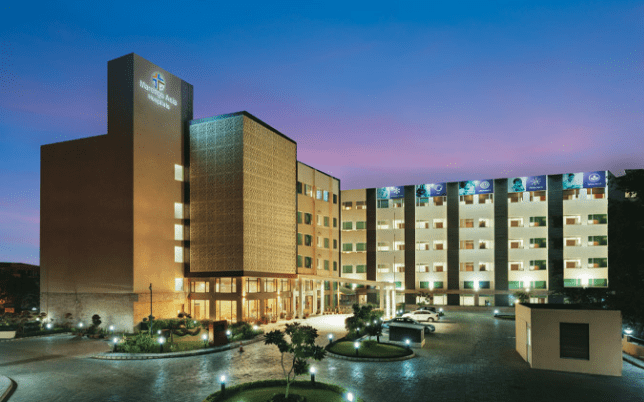

A specialized myelodysplastic syndrome hospital in India should be able to provide comprehensive diagnosis, bone marrow examination, cytogenetic and molecular testing, risk assessment and individualized treatment planning. For patients who may require transplantation, access to a Bone Marrow Transplant team is also important.
At BMT Next, Marengo Asia Hospitals provides Hemato-Oncology and Bone Marrow Transplant care for patients with MDS. Patients seeking myelodysplastic syndrome treatment in India can undergo evaluation to understand the type and risk of their disease before an appropriate treatment plan is recommended.
What Is Myelodysplastic Syndrome?
Myelodysplastic Syndrome, commonly called MDS, is a group of bone marrow disorders in which blood-forming cells do not develop and mature normally. The bone marrow normally produces red blood cells, white blood cells and platelets. In MDS, abnormal blood cell production can result in anemia, neutropenia, thrombocytopenia or reductions in multiple blood cell lines.
Patients visiting an MDS hospital in India may present with tiredness, weakness, recurrent infections, easy bruising or bleeding. However, some patients have no symptoms and are diagnosed after an abnormal CBC is found during a routine examination.
The severity of MDS varies between patients. Therefore, treatment at a specialized myelodysplastic syndrome hospital in India begins with determining the exact disease characteristics and risk category.
Symptoms of Myelodysplastic Syndrome
The symptoms of MDS are mainly caused by low or poorly functioning blood cells. Common symptoms include persistent fatigue, weakness, pale skin and shortness of breath due to anemia. Low white blood cell counts, particularly neutropenia, may result in recurrent infections or fever. Low platelet counts can cause easy bruising, bleeding gums, nosebleeds or small red or purple spots on the skin.
Some patients may have no noticeable symptoms in the early stages. An abnormal CBC may be the first indication that further evaluation is needed.
If these abnormalities persist, consultation with an MDS specialist is important. Whether the patient is searching for an MDS hospital in India, an MDS hospital in Gurgaon, or an MDS hospital in Faridabad, accurate diagnosis is the first step toward appropriate treatment.
How Is Myelodysplastic Syndrome Diagnosed?
Diagnosis of MDS requires more than a routine blood test. At a specialized myelodysplastic syndrome hospital in India, the evaluation may begin with a complete blood count and peripheral blood smear followed by bone marrow investigations when clinically indicated.
A bone marrow aspiration and biopsy allow the hematologist to examine blood-forming cells directly. The assessment may include the percentage of immature cells or blasts and abnormalities in the development of different blood cell lines.
Additional MDS diagnostic tests may include cytogenetic testing, chromosome analysis, FISH and molecular genetic testing. These investigations can identify abnormalities that help establish the diagnosis and determine the risk category.
This detailed approach is also followed when patients seek myelodysplastic syndrome treatment in Gurgaon or myelodysplastic syndrome treatment in Faridabad, because treatment decisions should be based on the patient’s individual disease characteristics rather than blood counts alone.
MDS Risk Classification
MDS is divided into different categories based on disease characteristics and risk. Doctors consider factors such as hemoglobin level, platelet count, neutrophil count, bone marrow blast percentage, cytogenetic abnormalities and molecular findings.
Patients with lower-risk MDS may primarily experience complications related to anemia or other low blood counts. Their treatment may focus on improving blood counts, reducing transfusion requirements and maintaining quality of life.
Higher-risk MDS has a greater risk of progression and may require more intensive disease-directed treatment. Some patients may also need early evaluation for an allogeneic stem cell transplant.
For this reason, choosing an experienced MDS hospital in India with access to both Hemato-Oncology and Bone Marrow Transplant expertise can be important, particularly for patients with higher-risk disease.
Myelodysplastic Syndrome Treatment in India
The appropriate myelodysplastic syndrome treatment in India depends on the patient’s MDS risk category, symptoms, blood counts, bone marrow findings, cytogenetic and molecular abnormalities, age and overall health.
Treatment may include supportive care, blood transfusions, infection management and medicines that improve blood cell production in selected patients. Depending on the disease category, patients may also receive disease-modifying therapies such as hypomethylating agents or other specialized treatments.
For higher-risk disease, a hematologist may consider more intensive treatment and evaluation for a bone marrow transplant for MDS. Since transplantation is not appropriate for every patient, eligibility must be assessed individually.
A comprehensive MDS hospital in India should therefore provide access to diagnosis, risk stratification, medical treatment, supportive care and transplant evaluation when required.
MDS Treatment in Gurugram
Patients looking for an MDS hospital in Gurgaon or myelodysplastic syndrome hospital in Gurugram can seek specialized Hemato-Oncology and BMT care at BMT Next Marengo Asia Hospitals.
MDS treatment in Gurgaon may include comprehensive blood investigations, bone marrow biopsy, cytogenetic and molecular testing, risk assessment and individualized treatment planning. Depending on the patient’s disease category, treatment may involve supportive care, disease-directed therapy or evaluation for stem cell transplantation.
For patients searching online for a myelodysplastic syndrome hospital in Gurgaon, it is important to choose a center where MDS can be managed as a specialized hematological disorder rather than treating low blood counts alone.
Myelodysplastic Syndrome Hospital in Faridabad
Patients searching for a myelodysplastic syndrome hospital in Faridabad can access specialized Hemato-Oncology and Bone Marrow Transplant services at Marengo Asia Hospitals, Faridabad.
MDS treatment in Faridabad begins with understanding why the patient’s blood counts are abnormal and confirming whether MDS is present. Depending on the clinical situation, evaluation can include CBC, peripheral smear, bone marrow aspiration and biopsy, cytogenetic studies and molecular testing.
Patients looking for an MDS hospital in Faridabad may require anything from supportive treatment for anemia and low blood counts to disease-directed therapy or evaluation for an allogeneic stem cell transplant. Treatment is selected according to the patient’s risk category and overall health.
Access to specialized Hemato-Oncology and BMT expertise at an MDS hospital in Faridabad can allow patients to receive diagnosis, treatment planning, supportive care and transplant evaluation within a coordinated care pathway.
Treatment Options for Myelodysplastic Syndrome
The choice of MDS treatment depends on whether the disease is classified as lower-risk or higher-risk and on the patient’s overall clinical condition. At a specialized myelodysplastic syndrome hospital in India, treatment planning generally considers blood counts, transfusion requirements, bone marrow findings, blast percentage, cytogenetic abnormalities and molecular mutations.
For some patients with lower-risk MDS, treatment may focus on improving anemia and other low blood counts. Supportive care can include red blood cell or platelet transfusions when required, infection prevention and treatment, and therapies that may stimulate blood cell production in appropriately selected patients.
Patients with higher-risk MDS may require disease-modifying treatment to reduce the risk of progression. Hypomethylating agents and other therapies may be considered according to the patient’s disease profile. Regular CBC monitoring and assessment of treatment response are important throughout the treatment journey.
A comprehensive MDS hospital in India should be equipped to manage both the immediate complications of MDS and the long-term treatment plan. This includes transfusion support, infection management, treatment monitoring and timely evaluation for stem cell transplantation in patients who may benefit from it.
Bone Marrow Transplant for Myelodysplastic Syndrome
A bone marrow transplant for MDS is an important treatment consideration for selected patients, particularly those with higher-risk disease who are medically suitable for transplantation. An allogeneic hematopoietic stem cell transplant uses healthy blood-forming stem cells from a donor to replace or restore the patient’s abnormal blood-forming system.
Before recommending a stem cell transplant for MDS, the transplant team evaluates disease risk, response to previous treatment, age, general fitness, organ function, infections, donor availability and other individual factors. Human leukocyte antigen (HLA) testing may be performed to identify an appropriate donor.
The transplant process may involve conditioning therapy followed by infusion of donor stem cells. After transplantation, patients require close monitoring for complications such as infections, graft-versus-host disease and poor blood cell recovery. Long-term follow-up is an essential part of transplant care.
Importantly, not every patient with MDS requires a bone marrow transplant. For some patients, the risks associated with transplantation may outweigh the potential benefits. Therefore, transplant decisions should be made after a detailed assessment by an experienced Hemato-Oncology and BMT team.
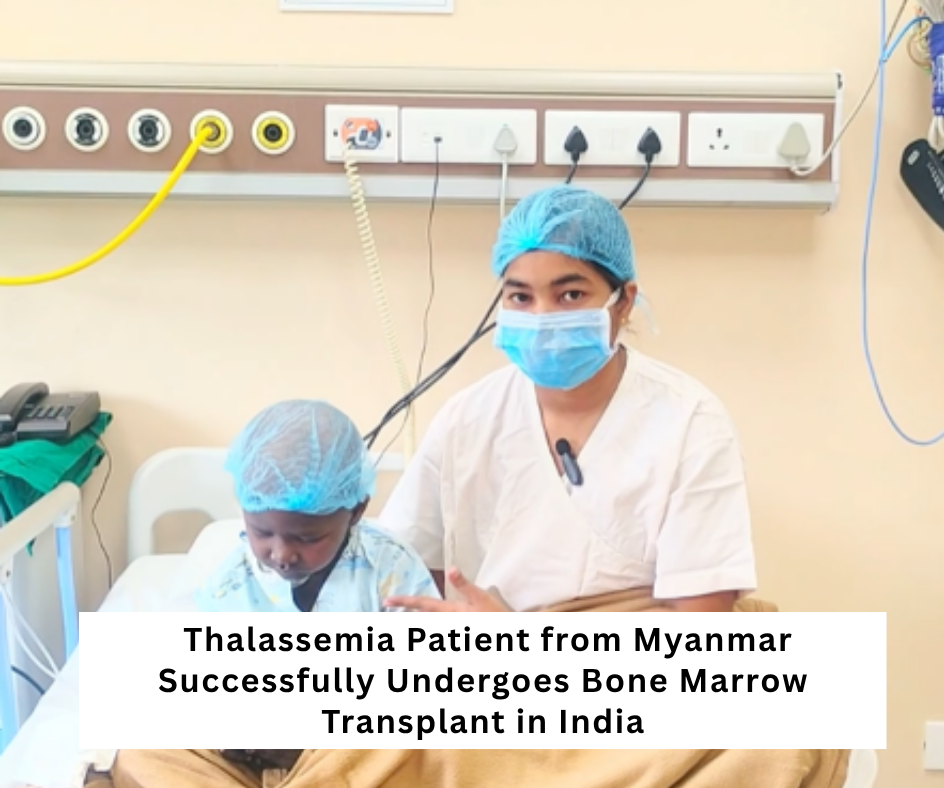
Patients searching for an MDS transplant hospital in India should consider a center with dedicated transplant infrastructure, experienced specialists, appropriate infection-control facilities, transfusion support and comprehensive post-transplant monitoring.






























Why Choose BMT Next for Myelodysplastic Syndrome Treatment?
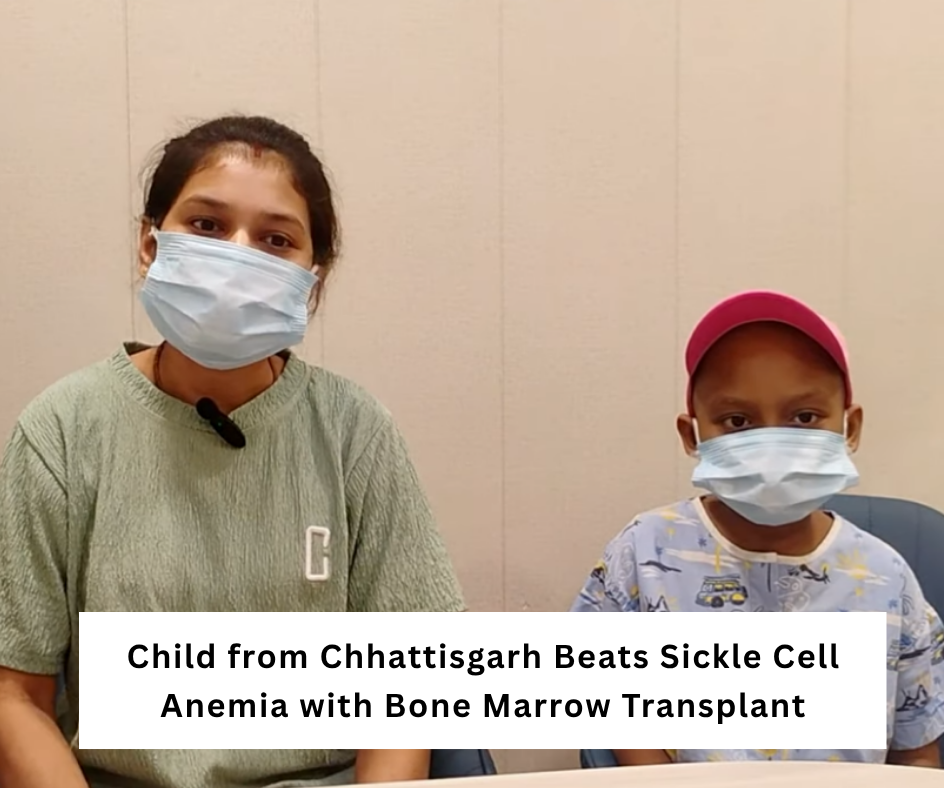
MDS requires specialized care because the disease can behave differently in different patients. BMT Next at Marengo Asia Hospitals brings together Hemato-Oncology and Bone Marrow Transplant expertise for patients requiring evaluation and treatment of myelodysplastic syndrome.
Patients visiting a myelodysplastic syndrome hospital in India can require several stages of care, from confirming the diagnosis and establishing the risk category to selecting medical treatment and assessing the need for transplantation. A coordinated approach helps ensure that these decisions are made according to the patient’s individual disease characteristics.
At BMT Next, the treatment pathway can include detailed hematology evaluation, CBC and blood investigations, bone marrow aspiration and biopsy, cytogenetic and molecular testing, supportive care, disease-directed treatment and transplant evaluation where appropriate.
Patients looking for an MDS hospital in Gurgaon or MDS hospital in Faridabad can access specialized Hemato-Oncology and BMT services through Marengo Asia Hospitals in Gurugram and Faridabad.
The objective is to provide personalized MDS care rather than treating only individual symptoms such as anemia, low platelets or recurrent infections.
Consult a Myelodysplastic Syndrome Specialist
Persistent low blood counts, unexplained anemia, recurrent infections, easy bruising or abnormal bleeding should not be ignored. Early consultation with a hematologist can help determine whether further evaluation for MDS is required.
If you are looking for the best Myelodysplastic syndrome hospital in Gurugram, or Faridabad, specialized evaluation can help establish the diagnosis and identify the most appropriate treatment pathway.