Blood Health: Why It Matters More Than Ever | Raktveer
Every second, your blood travels thousands of miles inside your body carrying oxygen, nutrients, hormones, and immune cells that keep you alive. But what happens when your blood health starts declining silently?












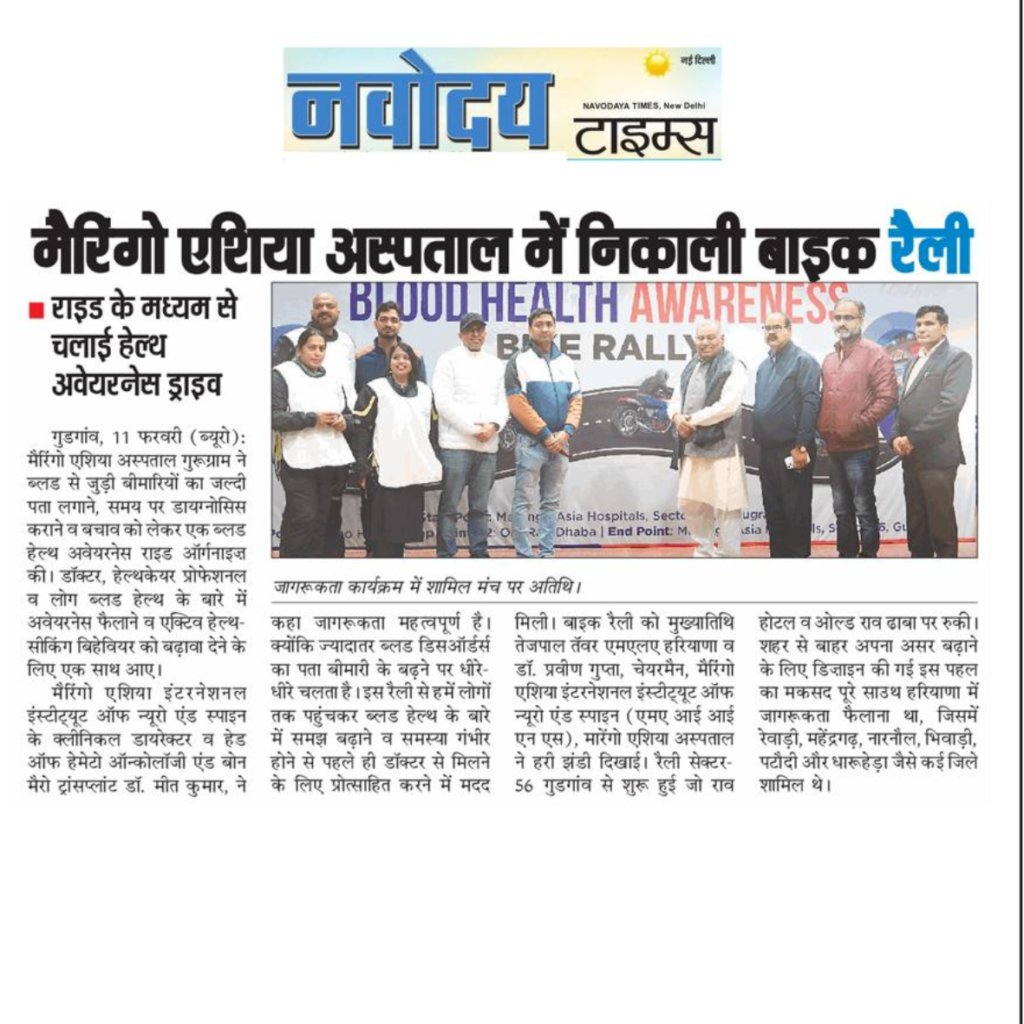
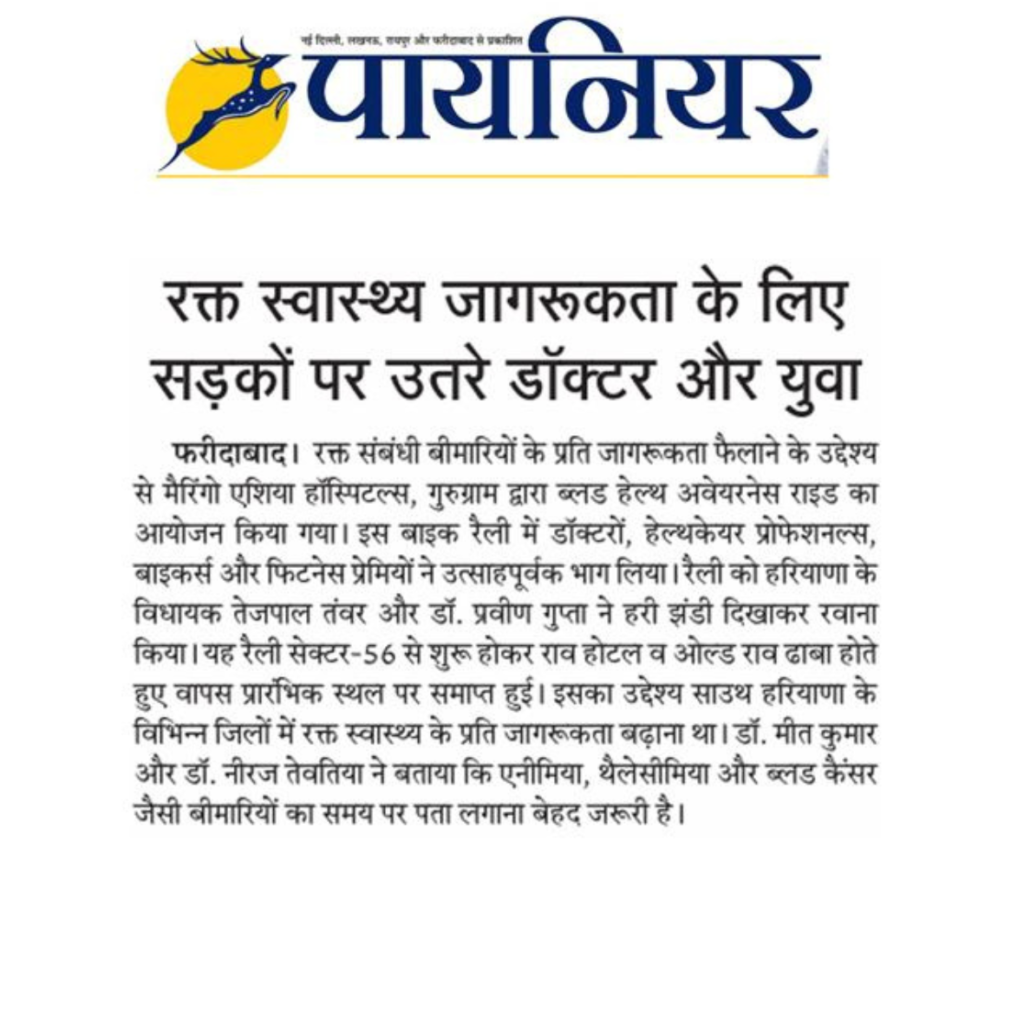
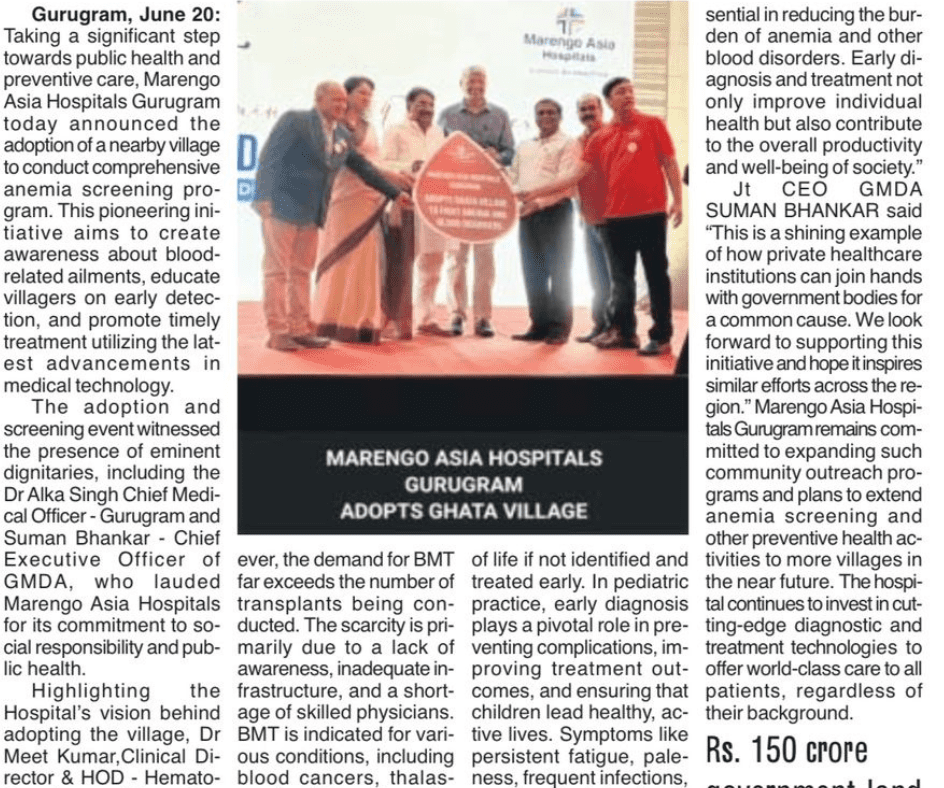
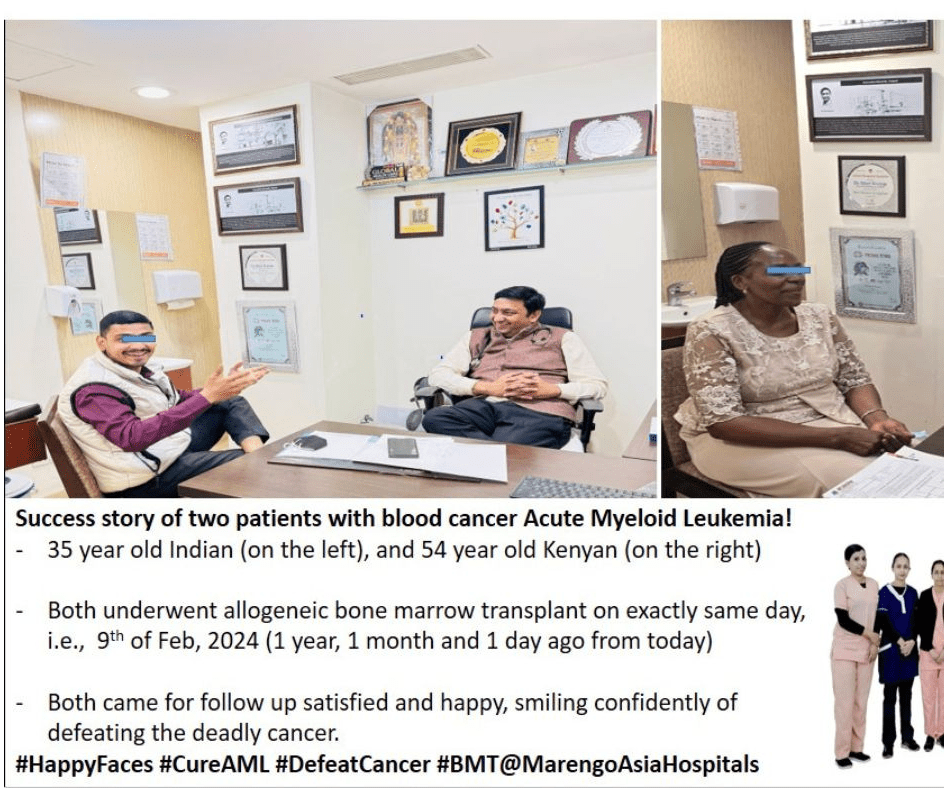





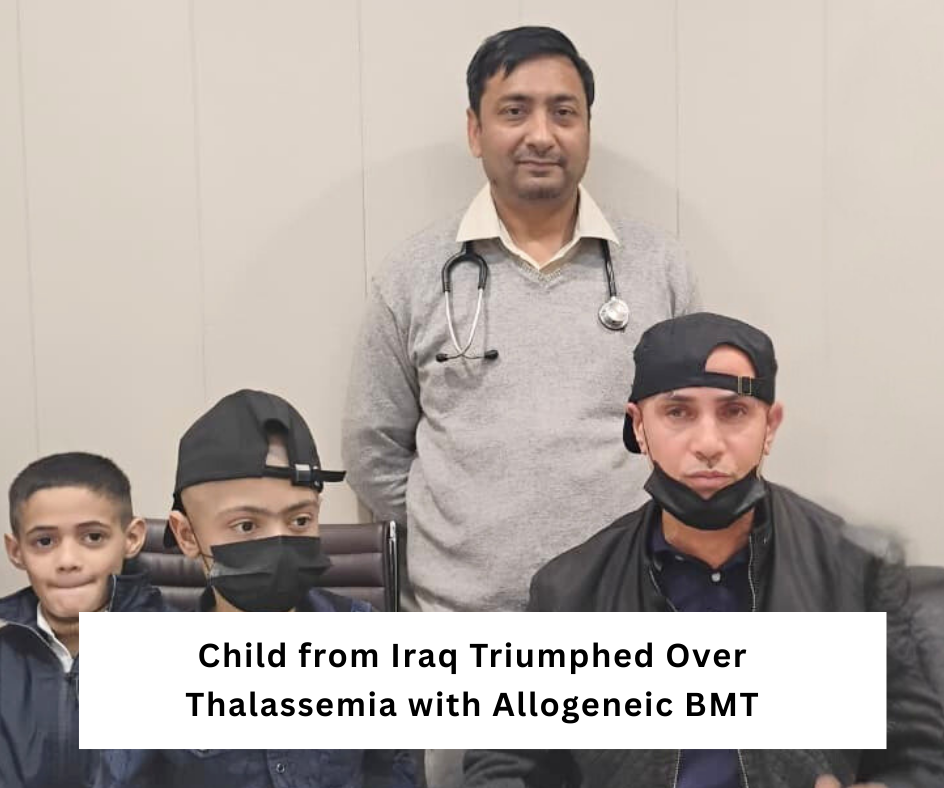
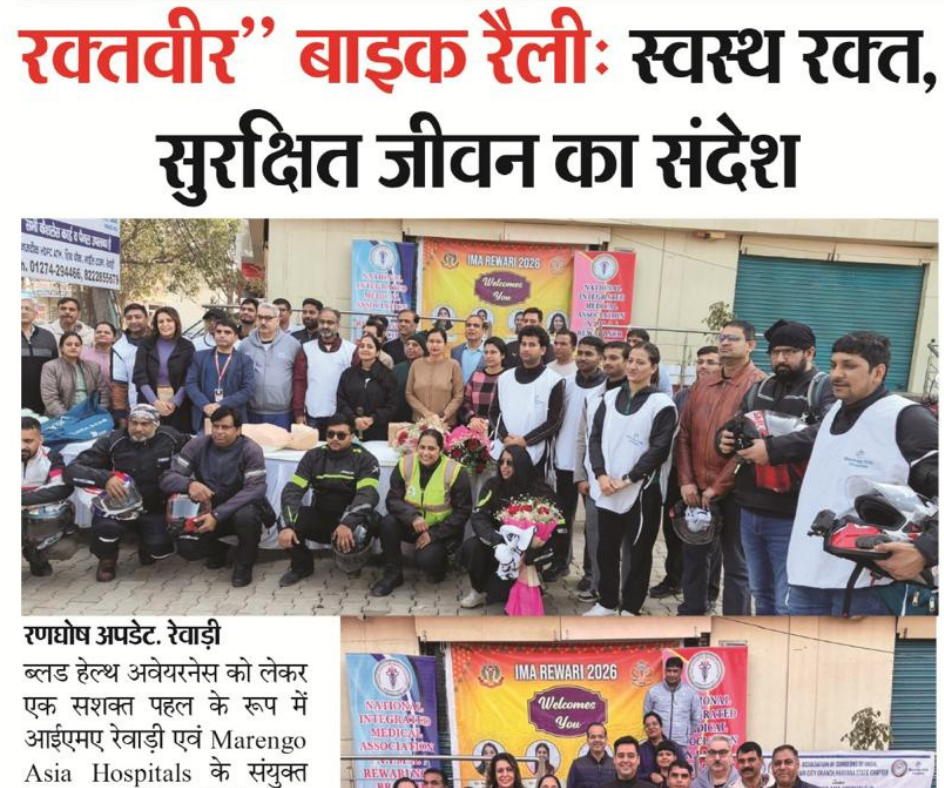
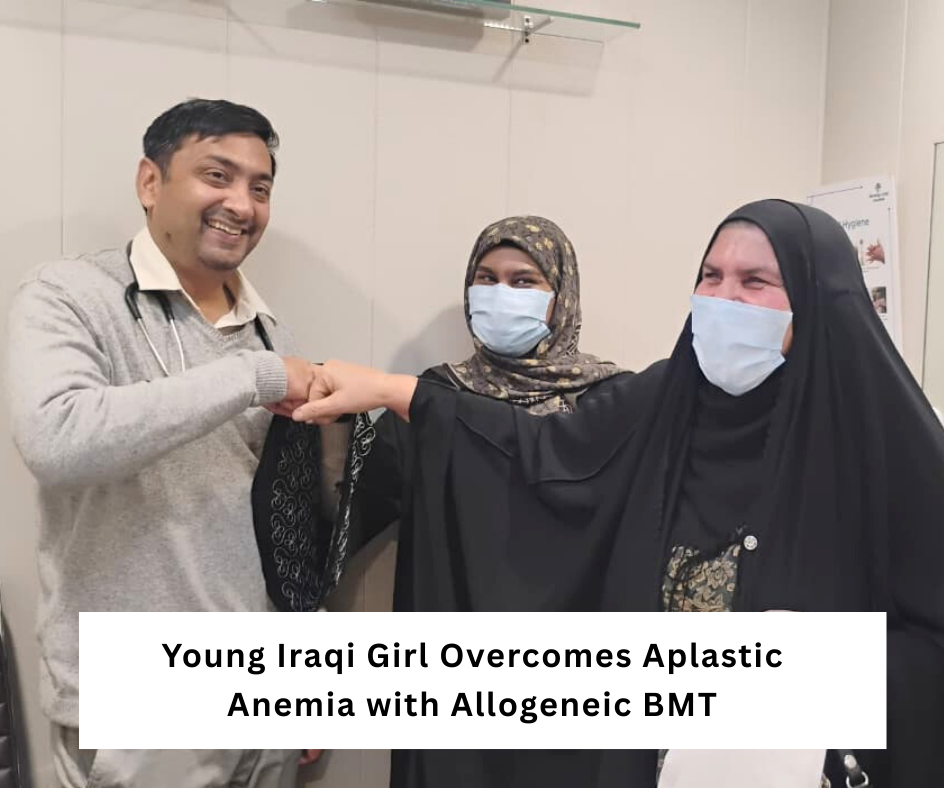
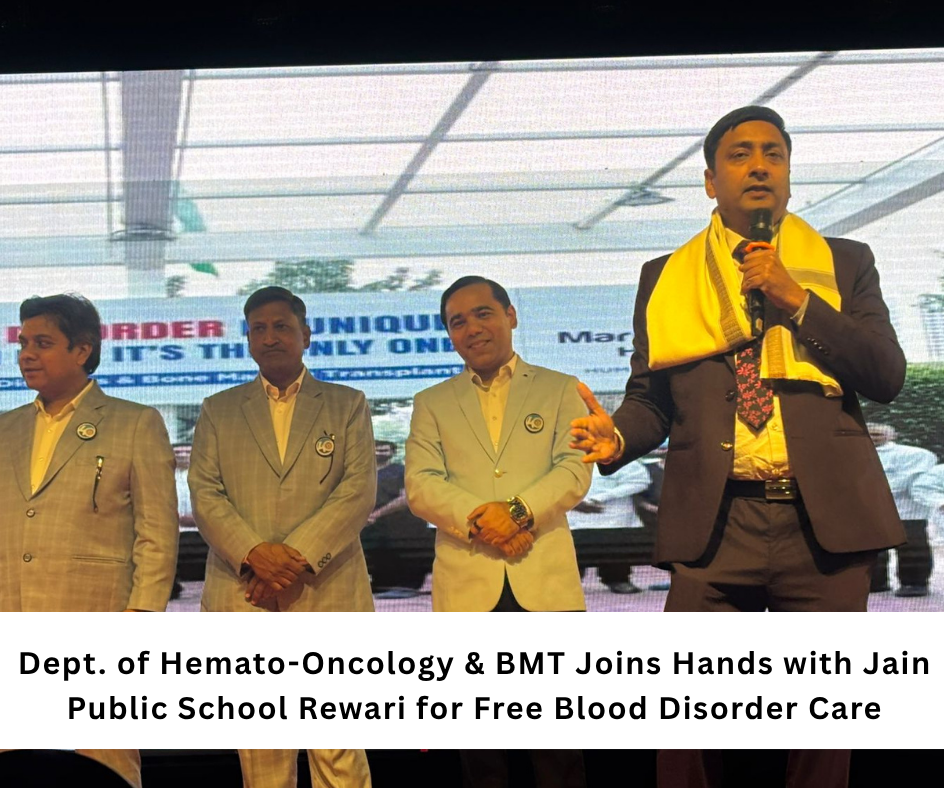
Most people ignore early symptoms like fatigue, weakness, bruising, frequent infections, or unexplained fever — without realizing these could be warning signs of serious blood disorders. From anemia and thalassemia to leukemia and blood cancer, poor blood health can affect every organ in the body.
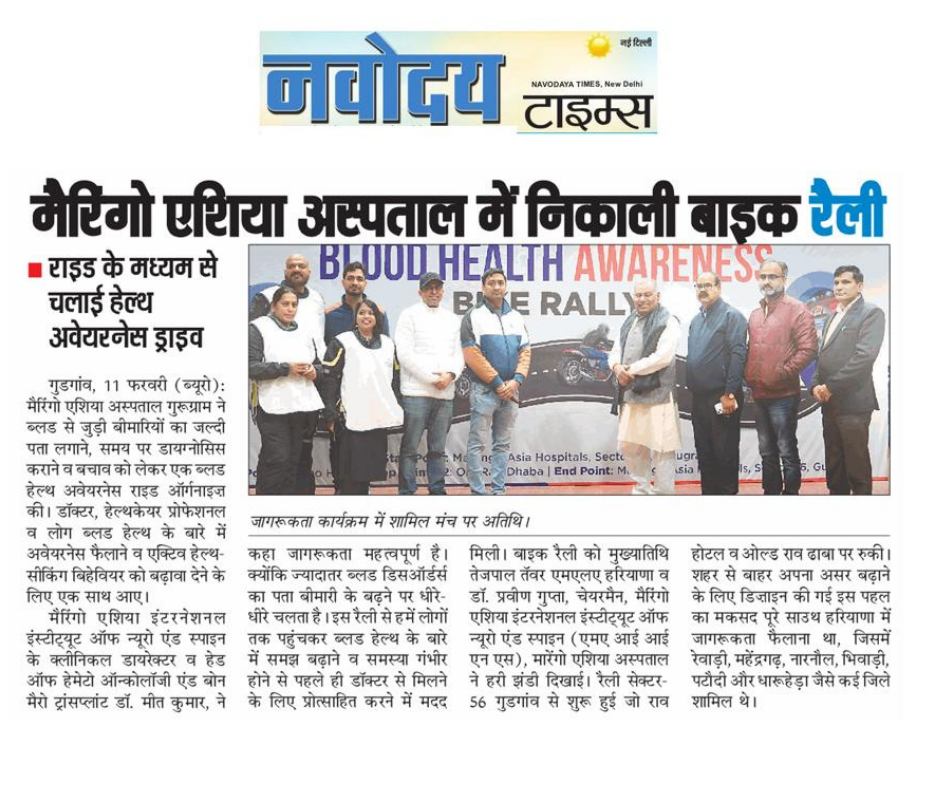
That is why understanding blood health is no longer optional — it is essential. At BMT Next, we believe awareness can save lives. Through Raktveer, our initiative dedicated to blood health awareness and support for blood disorder patients, we are helping people recognize symptoms early and seek expert hematology care before it is too late.
Why Blood Health Is So Important?
Your blood is much more than a red-colored fluid. It is the body’s life-support system. Healthy blood helps your body:
- Carry oxygen to organs and tissues
- Fight infections and diseases
- Remove toxins and waste products
- Heal injuries and stop bleeding
- Maintain energy levels
- Support immunity and organ function
- Transport hormones and nutrients
When blood health is compromised, the entire body suffers. Poor blood circulation or abnormal blood cells can lead to chronic fatigue, immune weakness, blood disorders, and even life-threatening diseases.
What Makes Up Healthy Blood?
Understanding blood health begins with understanding the major components of blood.
Red Blood Cells (RBCs)
Red blood cells transport oxygen throughout the body. A low RBC count may lead to anemia, tiredness, dizziness, and breathlessness.
White Blood Cells (WBCs)
White blood cells protect the body against viruses, bacteria, and infections. Abnormal WBC levels can indicate infections, leukemia, or immune disorders.
Platelets
Platelets help in blood clotting and prevent excessive bleeding. Low platelet count can become dangerous if not treated on time.
Plasma
Plasma is the liquid component of blood that carries nutrients, proteins, hormones, and waste materials. Maintaining healthy blood components is critical for overall blood health and long-term wellness.
Common Blood Disorders That Can Seriously Affect Blood Health
Many blood disorders develop silently and begin affecting overall blood health long before symptoms become severe. Poor blood health can weaken immunity, reduce oxygen supply, affect organ function, and even become life-threatening if not diagnosed early.
Here are some of the most common blood disorders you should never ignore:
1. Anemia
Anemia is one of the most common conditions affecting blood health. It occurs when the body does not have enough healthy red blood cells or hemoglobin to carry oxygen efficiently.
Symptoms of Anemia
- Fatigue
- Weakness
- Pale skin
- Dizziness
- Shortness of breath
- Low energy levels
Iron deficiency, nutritional deficiencies, chronic illness, and genetic conditions are major causes of anemia.
2. Leukemia
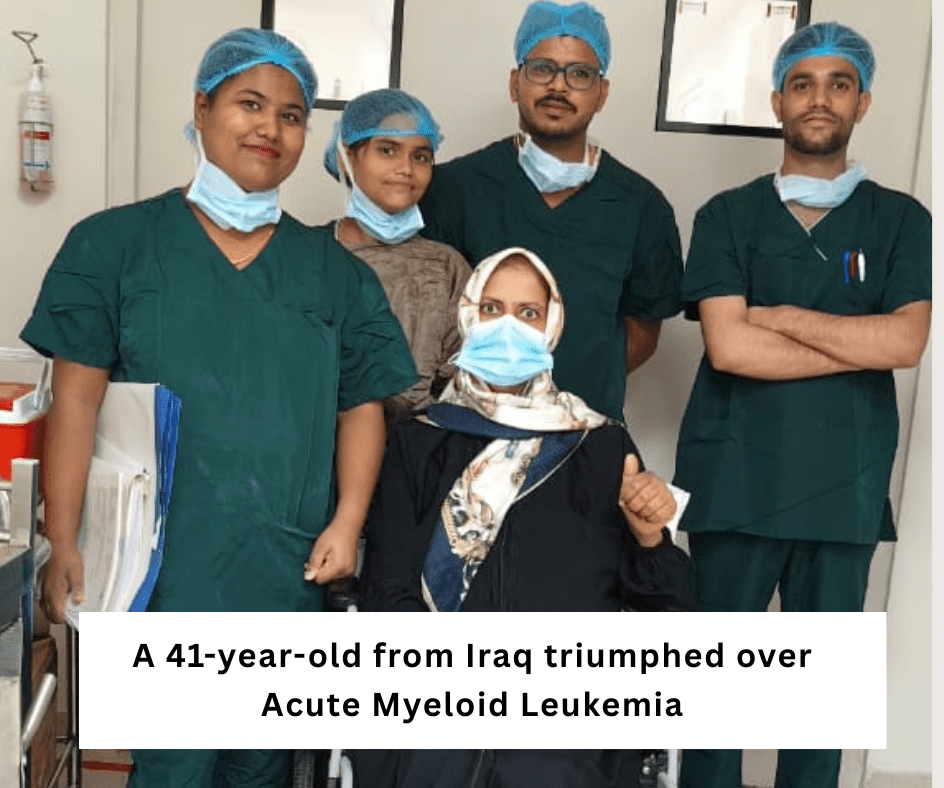
Leukemia is a serious blood cancer that affects white blood cells and bone marrow. It interferes with the production of healthy blood cells and weakens the immune system.
Common Symptoms
- Frequent infections
- Fever
- Bone pain
- Easy bruising
- Bleeding gums
- Unexplained weight loss
Early diagnosis and treatment by an expert hematologist can improve outcomes significantly.
3. Thalassemia
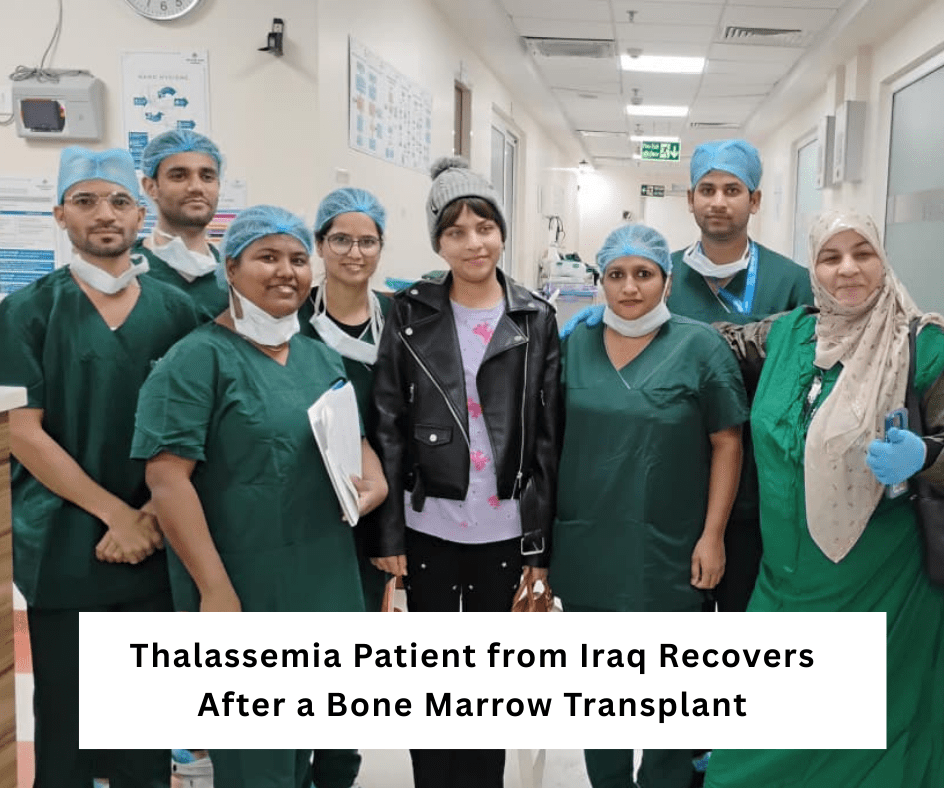
Thalassemia is a genetic blood disorder that affects hemoglobin production and reduces the oxygen-carrying capacity of blood.
Patients with severe thalassemia may require:
- Regular blood transfusions
- Iron chelation therapy
- Specialized hematology care
- Bone Marrow Transplant treatment
Through initiatives like Raktveer, BMT Next spreads awareness about early screening and treatment for thalassemia and other blood disorders.
4. Lymphoma
Lymphoma is a type of blood cancer that affects the lymphatic system and white blood cells.
Symptoms of Lymphoma
- Swollen lymph nodes
- Persistent fever
- Night sweats
- Fatigue
- Weight loss
- Weak immunity
Maintaining blood health and seeking early medical evaluation is critical for timely treatment.
5. Multiple Myeloma
Multiple myeloma is a blood cancer that affects plasma cells in the bone marrow.
Warning Signs
- Bone pain
- Fatigue
- Frequent infections
- Kidney problems
- Weak bones
Advanced hematology care and Bone Marrow Transplant can help manage this condition effectively.
6. Aplastic Anemia
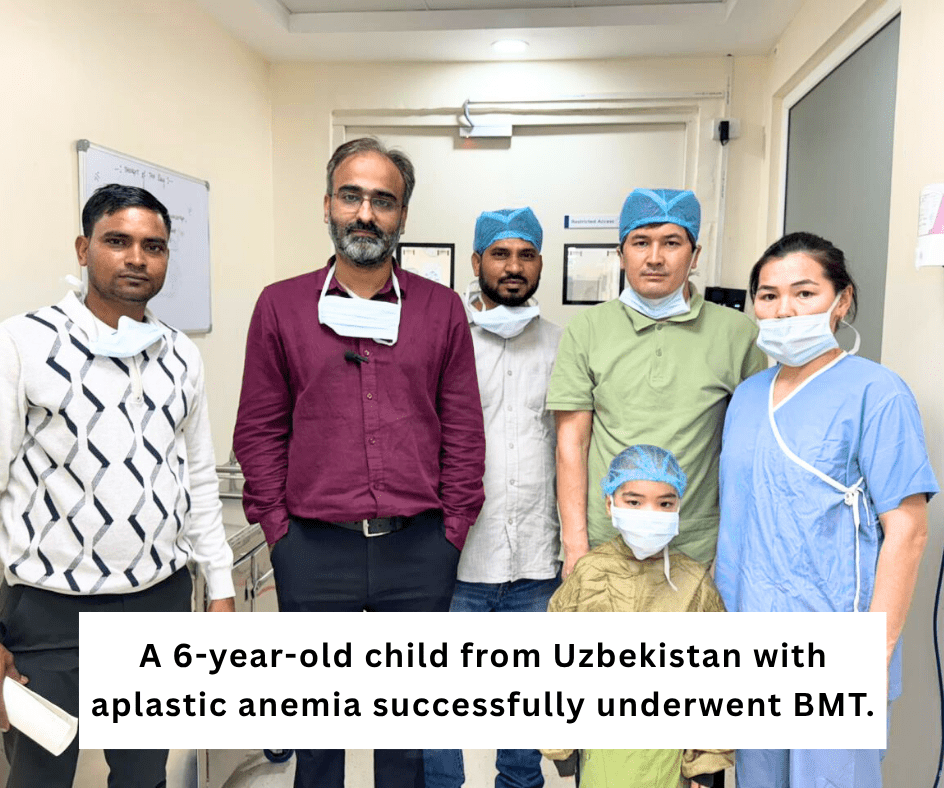
Aplastic anemia is a rare but dangerous condition where the bone marrow stops producing enough blood cells.
Symptoms Include
- Severe fatigue
- Frequent infections
- Excessive bleeding
- Bruising easily
- Low platelet count
In many cases, Bone Marrow Transplant offers the best long-term treatment option.
7. Hemophilia
Hemophilia is a genetic bleeding disorder where the blood does not clot properly.
Common Symptoms
- Excessive bleeding
- Joint pain
- Easy bruising
- Bleeding after injuries or surgeries
Early diagnosis is important to prevent severe complications.
8. Sickle Cell Disease
Sickle cell disease is an inherited blood disorder where red blood cells become abnormally shaped and block blood flow.
Symptoms Include
- Severe pain episodes
- Fatigue
- Swelling in hands and feet
- Frequent infections
- Delayed growth in children
Proper blood health management and expert hematology care are essential for patients with sickle cell disease.
9. Blood Clotting Disorders
Abnormal clotting disorders can increase the risk of:
- Stroke
- Heart attack
- Deep vein thrombosis (DVT)
- Pulmonary embolism
Poor blood health and unhealthy lifestyle habits can increase clotting risks.
10. Platelet Disorders
Platelet disorders affect the body’s ability to stop bleeding properly.
Low platelet count or dysfunctional platelets can cause:
- Nosebleeds
- Excessive bruising
- Bleeding gums
- Heavy menstrual bleeding
Timely hematology consultation is important for diagnosis and treatment.
Why Early Blood Health Screening Matters?
Ignoring symptoms related to blood health can delay treatment and increase complications. Many blood disorders can be managed successfully when detected early. If you experience fatigue, bruising, frequent infections, unexplained fever, or abnormal bleeding, consult an expert hematologist immediately.
At BMT Next, patients receive advanced diagnosis and treatment for complex blood disorders through:
- State-of-the-art Bone Marrow Transplant unit
- Expert hematologists
- Compassionate drug access programs
- Patient funding support
- Access to clinical trials
- Advanced hematology care infrastructure
Through Raktveer, BMT Next continues its mission to spread awareness about blood health and support individuals fighting blood disorders.
How To Improve Blood Health Naturally?
Eat Foods That Support Healthy Blood
A blood-health-friendly diet should include:
- Spinach
- Beetroot
- Pomegranate
- Iron-rich foods
- Green vegetables
- Vitamin B12-rich foods
- Folate-rich foods
Stay Hydrated
Water supports smooth blood circulation and oxygen transport.
Exercise Daily
Regular exercise improves circulation and overall cardiovascular and blood health.
Avoid Smoking and Alcohol
Smoking damages blood vessels and reduces oxygen supply in the body.
Schedule Regular Blood Tests
Routine blood screening helps detect blood disorders early.
What Is Raktveer?
Raktveer is a dedicated awareness and support initiative by BMT Next focused on improving blood health awareness and helping patients fight serious blood disorders.
The initiative was created with a mission to educate communities about the importance of early diagnosis, blood donation, and timely treatment for conditions such as:
- Leukemia
- Lymphoma
- Thalassemia
- Aplastic anemia
- Blood cancer
- Other complex blood disorders
Through awareness drives, patient education programs, and community outreach, Raktveer encourages people to take blood health seriously and recognize early warning signs before complications become severe.
How Raktveer Is Making a Difference?
Promoting Blood Health Awareness
Many blood disorders remain undiagnosed because people ignore symptoms like fatigue, bruising, weakness, or frequent infections. Raktveer helps spread awareness about these early signs and the importance of regular blood health checkups.
Encouraging Early Diagnosis
Early detection can save lives, especially in serious blood disorders and blood cancers. Raktveer motivates individuals and families to seek expert hematology consultation at the right time.
Supporting Blood Donation Awareness
Safe and timely blood donation plays a crucial role in saving patients suffering from thalassemia, anemia, leukemia, and other blood disorders.
Standing With Blood Disorder Patients
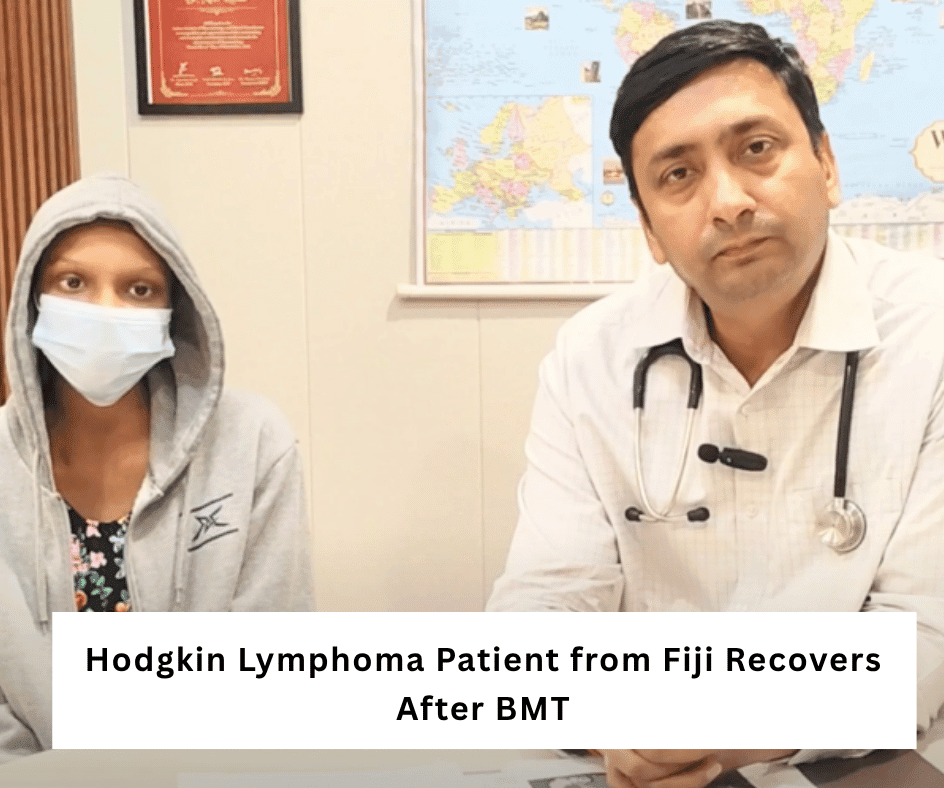
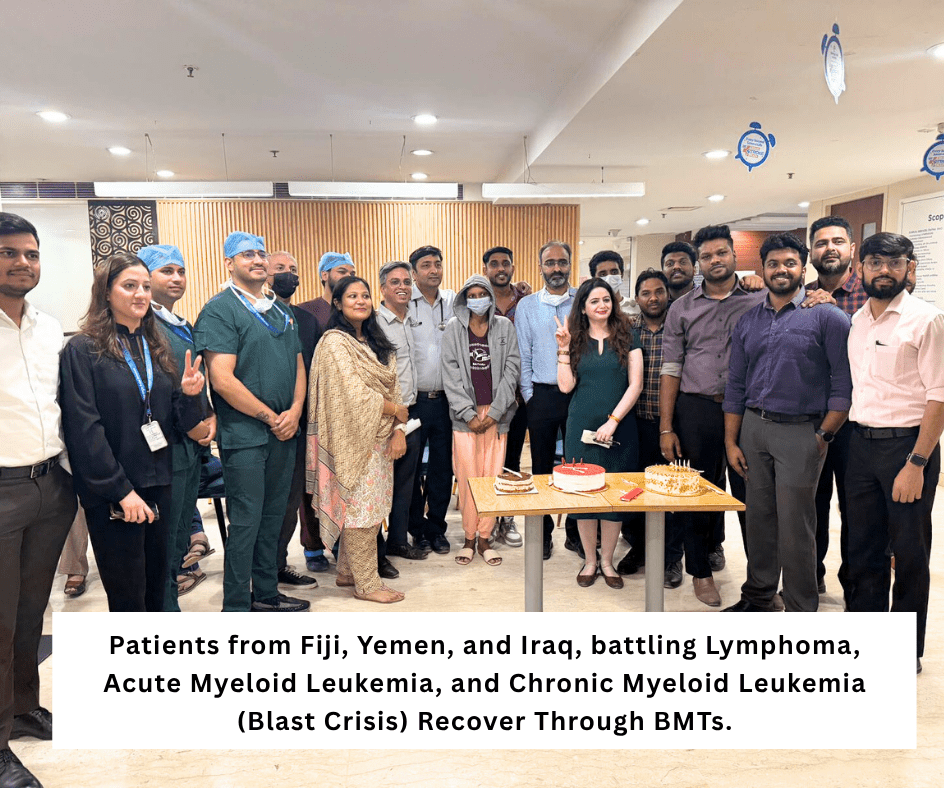
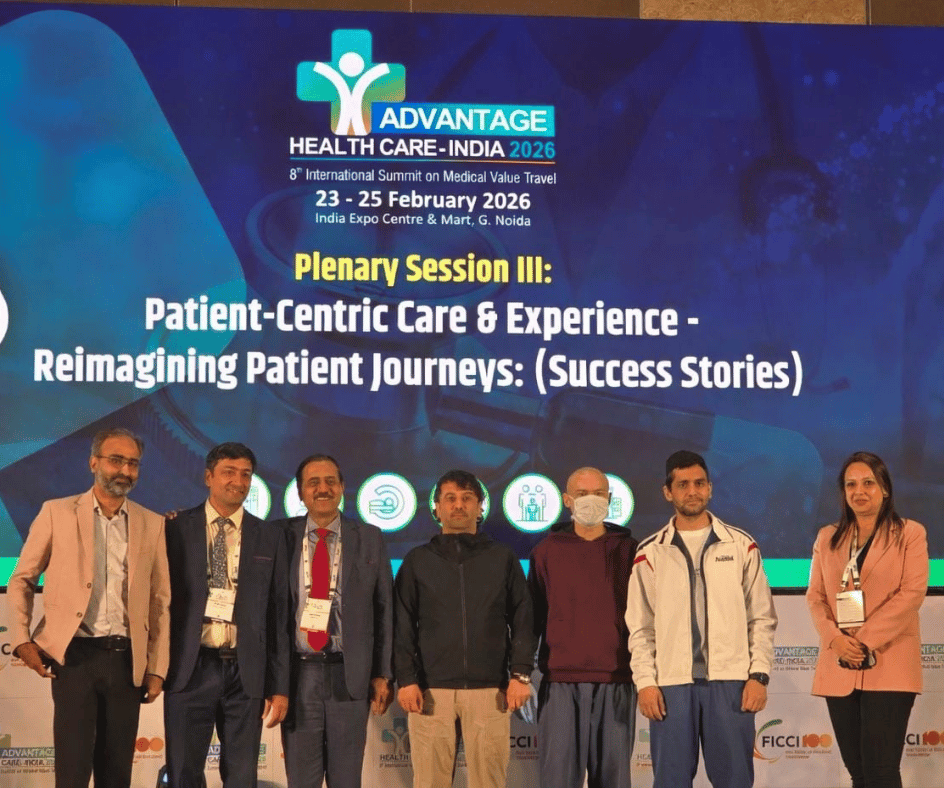
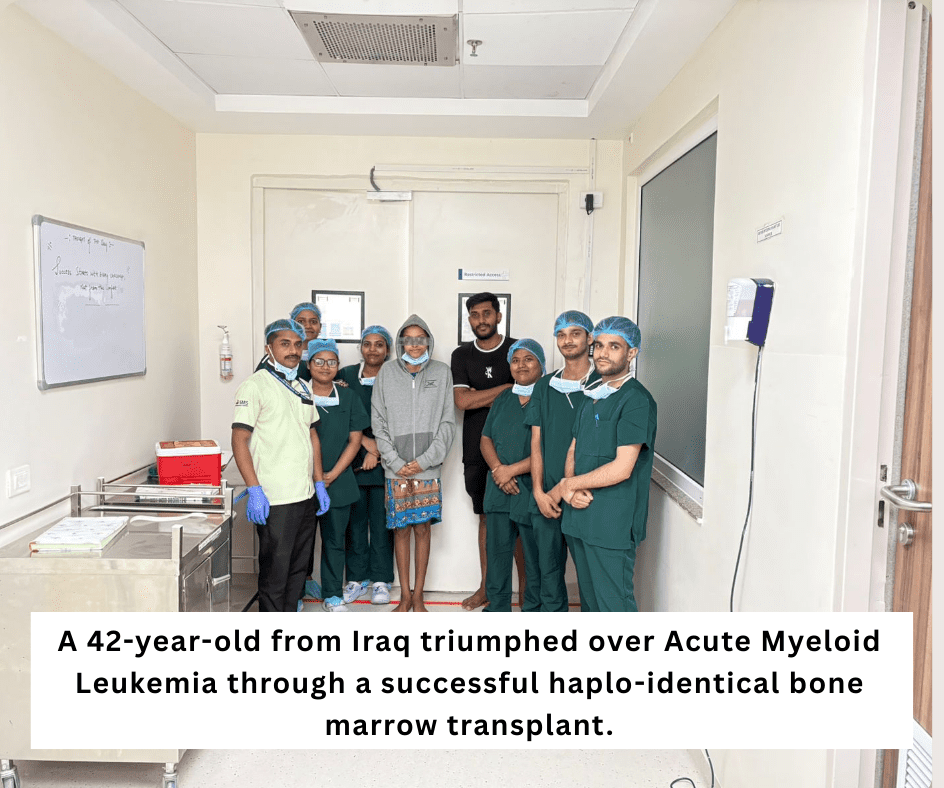
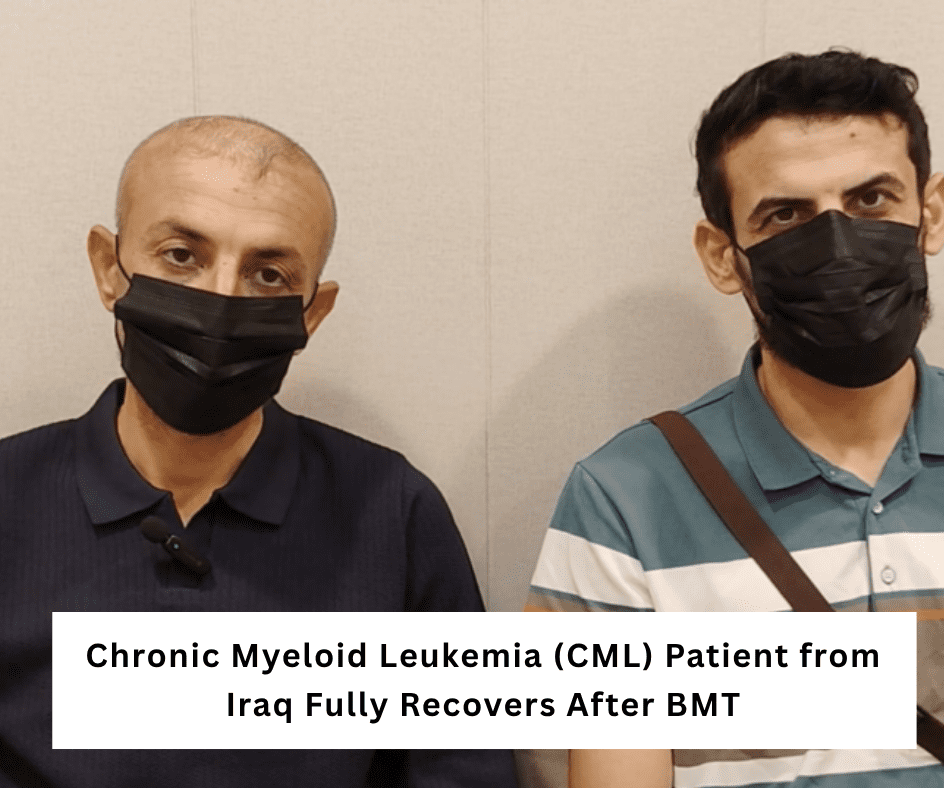
Patients from 20+ countries have been treated at BMT Next, reflecting its global trust in advanced hematology and Bone Marrow Transplant care. Through the Raktveer initiative, awareness about blood health, blood disorders, and early diagnosis is also spreading across international communities.
Raktveer and Advanced Bone Marrow Transplant
As part of the larger mission of BMT Next, Raktveer also highlights access to advanced blood disorder treatment and Bone Marrow Transplant services.
Patients at BMT Next benefit from:
- State-of-the-art BMT unit
- Expert hematologists and transplant specialists
- Advanced blood cancer treatment
- Patient funding support
- Compassionate drug access programs
- Access to clinical trials
- Modern hematology infrastructure
Raktveer reflects BMT Next’s commitment to transforming blood health awareness while helping patients receive world-class care and support.
Address
2nd Floor, Marengo Asia Hositals, Golf Course Ext Rd, Sushant Lok II, Sector 56, Gurugram, Ghata, Haryana 122011
Gurugram |Gwalior |Faridabad | Rewari | Muzzafarnagar |Hisar |Mauritius
Call Us
+91 9211 493 630
Email Us
info@bmtnext.com